This is a heartbreaking but very real case involving a ninth-grade student. In the first semester of the year, she had taken a leave of absence from school; in the second semester, she returned. She had originally been in the top-tier class, and after returning she moved to a mid-level class. As the exams drew closer, the pressure became more and more obvious, and her sleep grew worse too.
Her mother said that at its worst, she could stay up the entire night before an exam. During the day she was groggy and drowsy, her mood was low and irritable, she didn't want to go to school, and she wouldn't touch her books. She would sit in her room, sometimes just staring blankly.
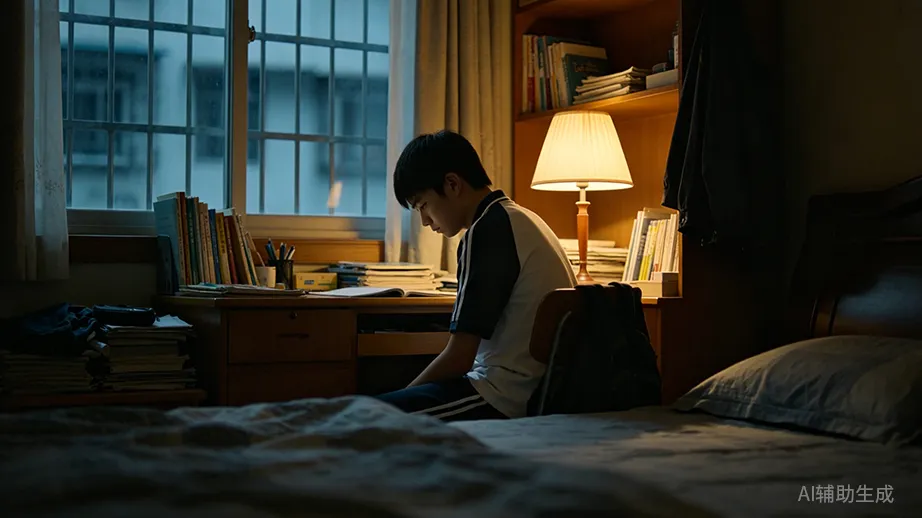
This child was seeing a doctor at a proper hospital and taking prescribed medication. Later, on top of that, the family added Chienomoto, hoping it might offer a bit more help from the nutritional side.
I. Before-and-after changes from her mother's feedback
Condition before use
Her mother's recent feedback
Severe trouble sleeping, sometimes unable to sleep at all the night before an exam
From "not sleeping a wink" to now being able to sleep two or three hours
Groggy and drowsy during the day, still wanting to sleep at three or four in the afternoon
Her energy during the day is a bit better now — she can hold out until evening without constantly dozing off
Low mood, irritable, easily loses her temper when woken up
Her mood has become much more stable
Often stayed in her room, wouldn't touch her books, would just sit and stare blankly
Before the exam she was able to get back into a review routine and started studying on her own
Skipped both of the pre-exam mock tests, saying that even if she memorized things she wouldn't remember them
Ask her now, and she says, "If I memorize it, I can remember it"
Didn't want to go to school, under a lot of pressure
Currently reviewing at home, in a study environment she finds more comfortable
II. Her condition had already lasted over a year
In a phone follow-up, her mother said this had already been going on for over a year. After returning to school, she didn't snap right back into her old rhythm of studying. The closer the exams got, the worse her sleep became. During exam periods, she sometimes couldn't sleep at all through the night.
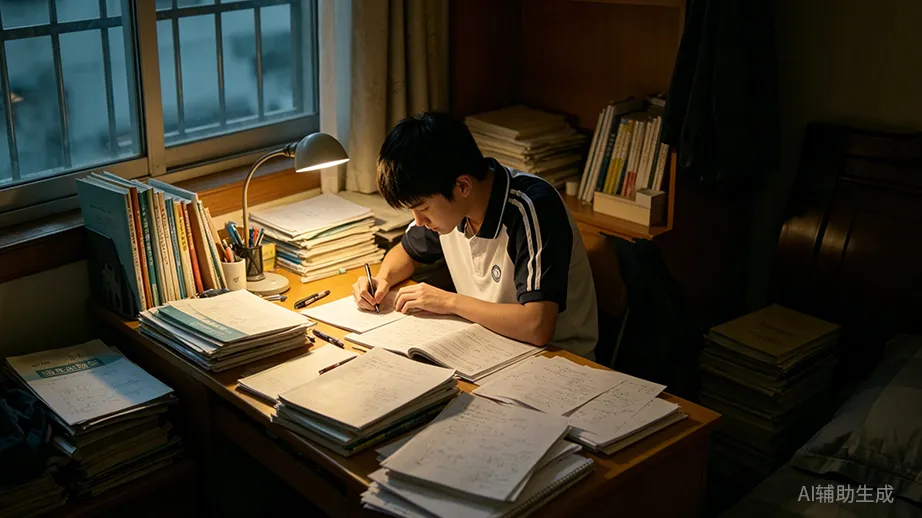
Her mother also mentioned that her daughter holds herself to very high standards and sets high goals for herself. But when her body and emotional state can't keep up, that tug-of-war between "wanting to do well" and "not being able to" only makes things more painful for her.
III. She is also taking medication prescribed by a doctor
The child started taking prescription medication this past April. After more than a month, the family didn't feel the improvement was especially clear. At a later follow-up visit, Chienomoto was added as nutritional support for the brain. Her mother said her daughter herself was somewhat wary of taking prescription medication — she'd look things up online on her own, worried that taking it might "make her slow-witted."

Her mother was also candid that before going to the hospital, the family had already tried many other things: health supplements, products for boosting blood and qi, products for "nourishing the brain," as well as massage therapy and moxibustion. After a long struggle, they ultimately still had to go to the hospital and follow the doctor's prescribed treatment. Her mother asked: are there cases where a child takes only Chienomoto, without medication? On this point, we were very clear with her. Every child's situation is different, and a child who is already taking medication should never stop, switch, or adjust the dosage of that medication on their own. Any change to medication should be decided by a doctor based on the child's overall condition.
IV. Sleep didn't recover all at once, but she gradually got a little more of it
At first, even while taking the prescription medication, her sleep was still very poor. After adding Chienomoto, her mother said she really was sleeping a bit more. She used to be able to sleep only one or two hours; later that gradually grew to around three or four hours. That said, this still isn't normal sleep — her sleep time is mostly concentrated in the morning, for example falling asleep around 7 a.m. and waking at 10 or 11.
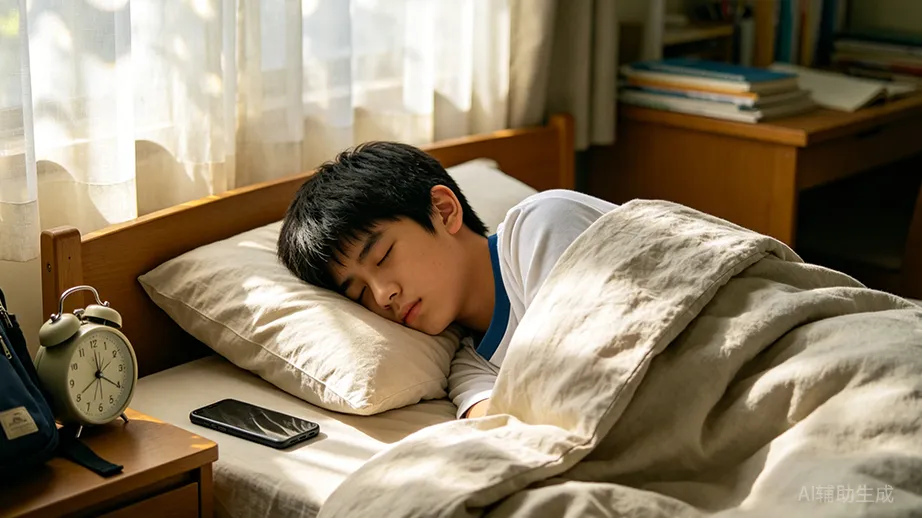
Another change was that she wasn't as drowsy during the day. She used to still want to sleep and doze off around three or four in the afternoon. Now her daytime state is a bit better than before — she can hold out until evening without constantly dozing off. On one day, for instance, her mother happily told us: she got up at 9 that morning, which meant she'd slept well the night before, and by past two in the afternoon she still hadn't said she wanted to sleep.
V. The first changes they noticed were her daytime state and mood gradually stabilizing
Before, whenever they woke her up, she'd lose her temper very easily, and sometimes she'd storm into her room and lock the door the moment something was said — sometimes staying shut in all day. Later, her mother felt she wasn't as quick to get irritable, and her reaction when being woken up was better than before too.
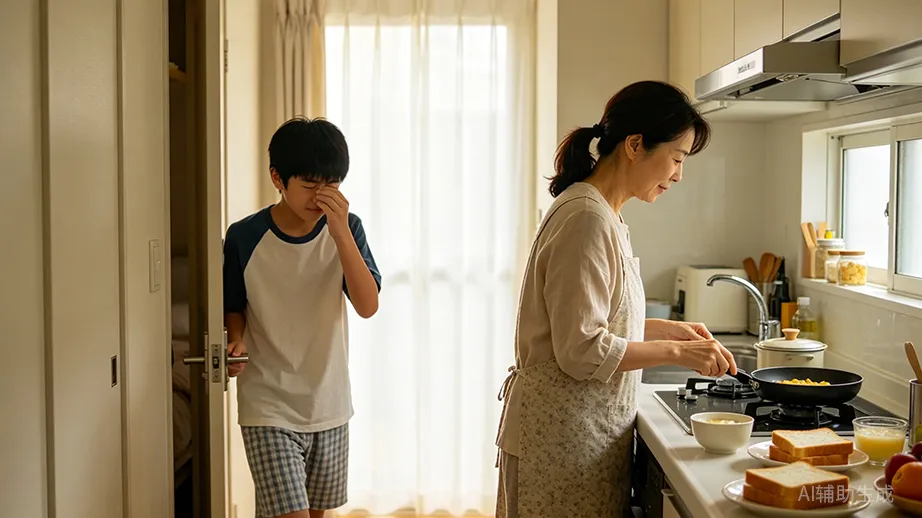
VI. Two weeks before the exam, she was finally able to get back into review mode
What truly brought her mother comfort was that, two weeks before the high school entrance exam, her daughter started being able to review again. Her mother said she'd skipped both of the earlier mock exams — she'd said herself that even if she memorized things, she wouldn't remember them. During that period, she didn't want to touch her books; she'd stay in her room, sometimes just sitting and staring blankly.
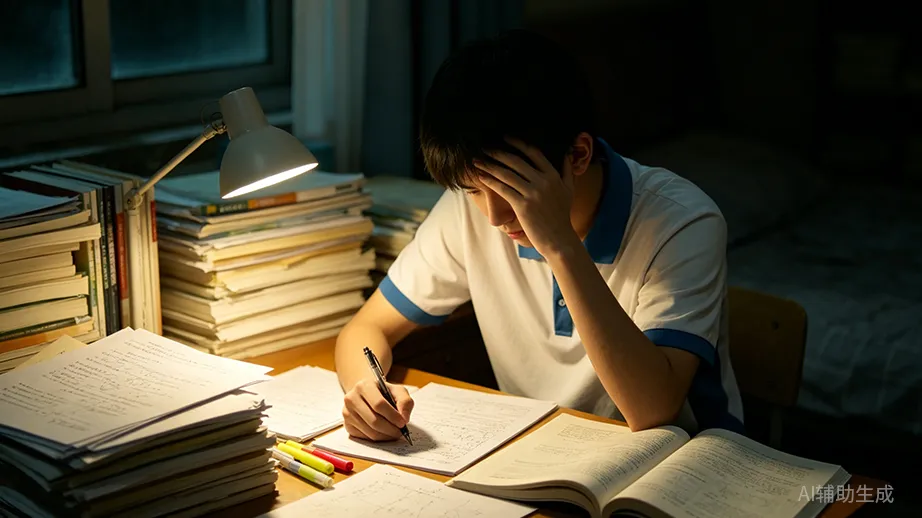
Later, she wasn't as drowsy during the day, and her mood had also become much more stable. Asked again about how memorizing was going, she'd say, "If I memorize it, I can remember it." Before the exam, she didn't go back to school, and instead reviewed at home. We also talked with her mother about this: school does offer a study atmosphere, but for a child under especially heavy pressure, the school environment can also bring more intense stimulation. If a child can review quietly at home and settle into the right state of mind, that's also a perfectly reasonable choice. For a child at this stage, steadying her state matters more than forcing her back onto some "standard track."
A closing note
When a teenager shows long-term insomnia, low mood, anxiety, school avoidance, or difficulty returning to school after a leave of absence, parents must take it seriously and seek professional medical help promptly. Chienomoto cannot replace hospital diagnosis and treatment, nor can it replace medication prescribed by a doctor. This case records real changes a parent observed after adding nutritional support on top of her child's regular medical care and medication.
Every child's situation is different, and for a child already taking medication in particular, we do not recommend that parents stop, switch, or adjust the dosage of that medication on their own. If any change to the treatment plan is needed, it should go back through the doctor for a follow-up visit and a comprehensive evaluation. We wish every child on the road through their high school or college entrance exams, or working their way back to school, the strength to steady themselves first, and then to find their footing bit by bit.