Grounded in science
Our four core ingredients — ferulic acid, angelica root extract, PQQ, and PS — all have published, peer-reviewed research behind them. The formula is staged by design, with a reason behind every step.

Developed in Japan, Chienomoto is now used in over 100 top-tier hospitals in China
as a supportive nutrition program across psychiatry, pediatric rehabilitation, neurology, and nutrition departments.
0
Partner top-tier hospitals
0
Peer-reviewed studies
0 yrs
R&D and manufacturing in Japan
0
Staged formula variants
Partner Hospitals · A Selection
Why Chienomoto
Science gives us confidence; humanity gives us warmth. We believe every stage of growth deserves to be taken seriously.
Our four core ingredients — ferulic acid, angelica root extract, PQQ, and PS — all have published, peer-reviewed research behind them. The formula is staged by design, with a reason behind every step.
This isn't just nutrition — it's companionship. We understand the hope and worry behind every family, and we listen one-on-one, without sales pressure or pushy follow-ups.
Made in Japan, ingredients disclosed, dosages labeled, safety data available on request. Being clear about "what it can and can't do" matters more to us than sounding impressive.
Find Your Fit
Most families come to us with one specific concern in mind. Find your scenario first, then see if it's a fit.
"The teacher calls every week, and the side effects of stimulant medication made it hard for me to commit."
ADHD · Developmental delay · Reading difficulties
See this scenario B · Teen families"The doctor said mild depression — I don't want her on medication this young."
Subthreshold depression · Early bipolar · Anxiety
See this scenario C · Self-care"I took melatonin for months and got scared to keep going, but couldn't find another option."
Sleep trouble · Work stress · Midlife fatigue
See this scenario D · Elder care"Mom left the stove on again — the doctor said mild cognitive impairment, nothing to prescribe."
MCI · Early-stage dementia · Post-stroke
See this scenario E · Post-stroke recovery"Physically they're recovering, but they've gone quiet and stopped wanting to go out — the doctor called it post-stroke depression."
Post-stroke depression · Vascular cognitive impairment · Recovery period
See this scenario F · Exam-prep students"Brain shuts down like clockwork at 3pm, running on coffee; then lying down, the mind won't stop."
College / grad school / civil-service exams · High cognitive load periods
See this scenario G · TTC / IVF families"During stimulation and transfer, the more anxious I got, the worse I slept — and I didn't want to rely on sleeping pills."
Trying to conceive · IVF cycles · Anxiety / insomnia (nutritional support only, not a fertility treatment)
See this scenario H · New mothers"The baby's asleep and I still can't sleep. Everything irritates me, and then I feel guilty about it."
Postpartum mood · Sleep · Exhaustion (supportive nutrition)
See this scenario I · In cancer treatment"My mind is full of test results, I can't sleep at night, and I'm too exhausted to move during the day."
Anxiety / insomnia / fatigue (not a cancer treatment — follow your doctor's guidance)
See this scenarioOur Story
Chienomoto's formula took Japanese researchers 8 years to develop. It entered the Chinese market in 2022, and now works in research collaboration with child health, psychiatric, pediatric rehabilitation, and neurology departments at top-tier hospitals.
It addresses a specific clinical need: when medication is already in use but some symptoms still aren't covered, it's used as a supportive nutritional intervention — from ferulic acid in rice bran to soy-derived phosphatidylserine, bringing nature's wisdom gently into every family's hands.
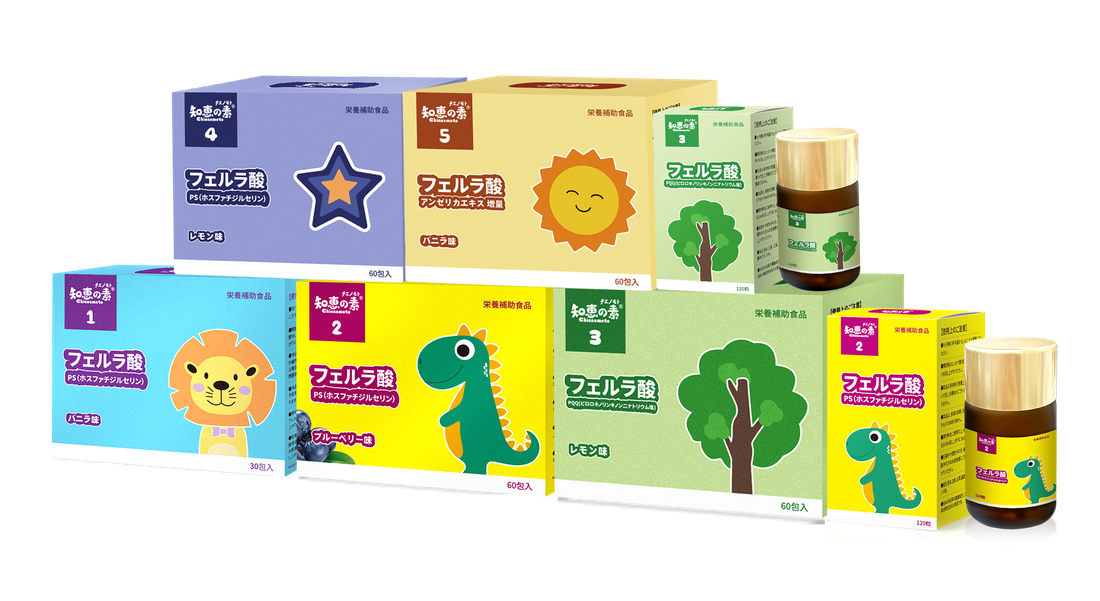
Product Series · Five Formulas
All five share ferulic acid — extracted from rice bran — as a common neuroprotective and antioxidant base, layered with different supporting ingredients for different needs. The numbering doesn't indicate strength; it reflects the right match for different people and situations.
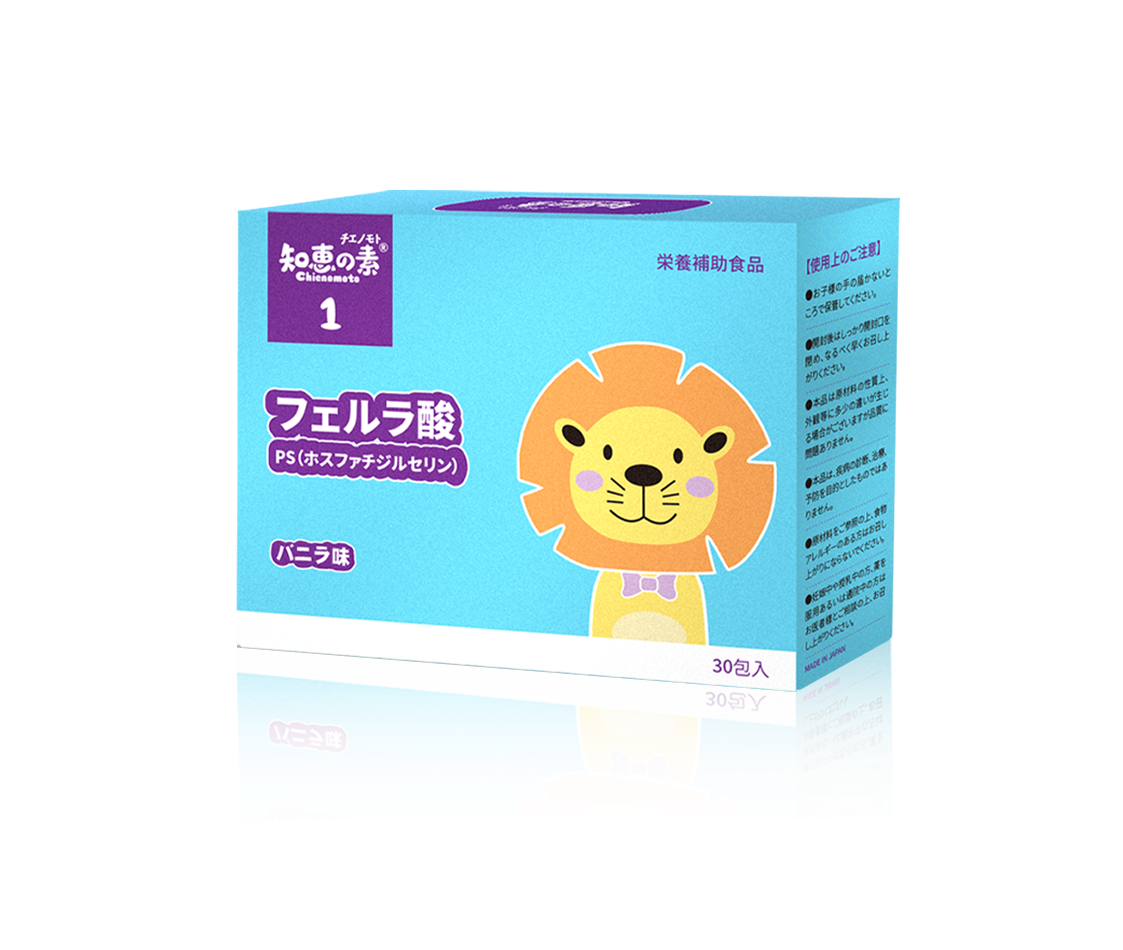
For: Children aged 1–3 with cognitive/language delays, emotional issues, sleep trouble, or motor coordination concerns.
1 sachet/day for ages 1–3 · Vanilla flavor, well accepted by toddlers
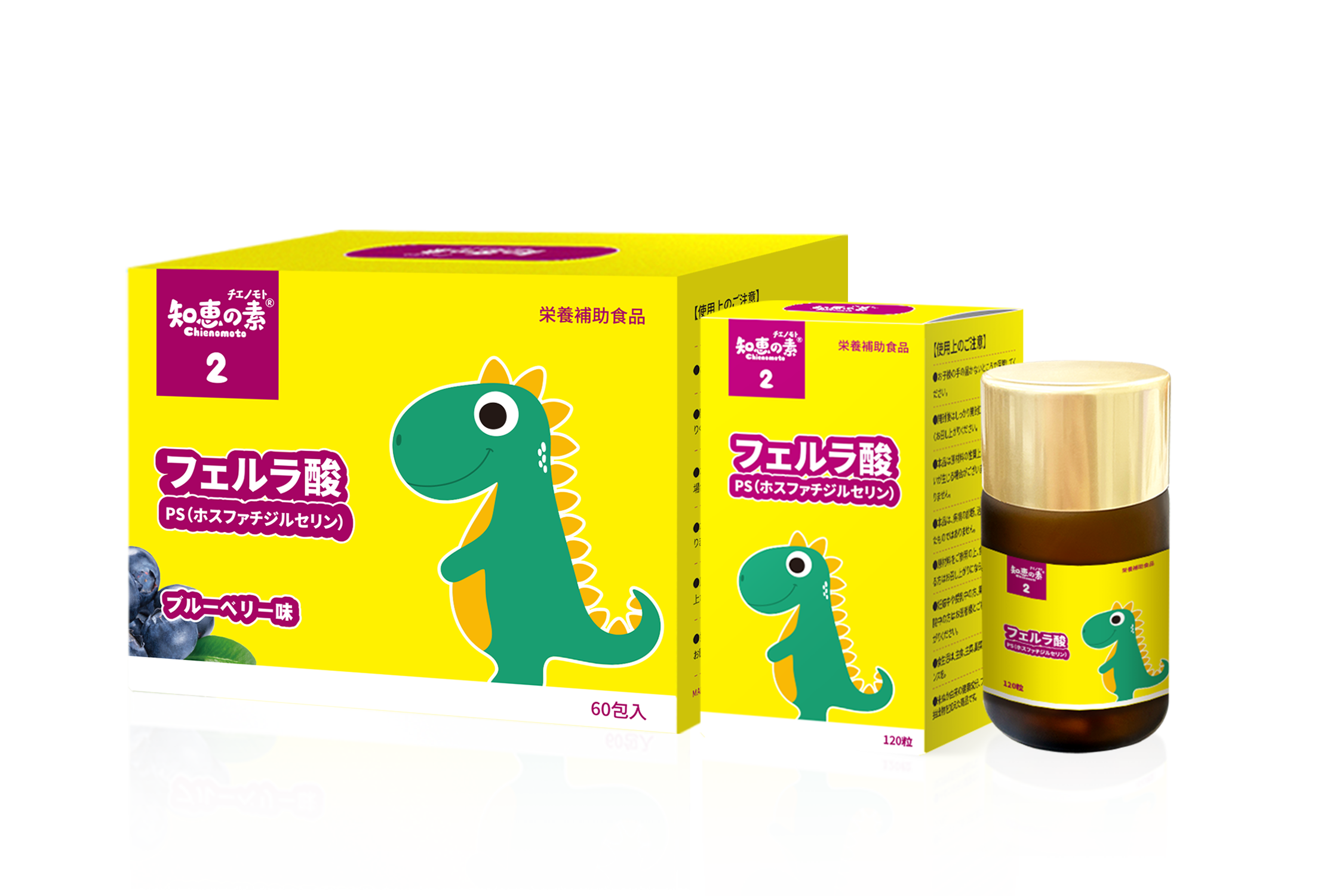
For: Children 3+ and teens. Supportive nutrition for sleep, mood, attention, hyperactivity, cognition, language, and memory.
Blueberry granules / unflavored, sugar-free capsules · Top pick for children's and teens' sleep and mood
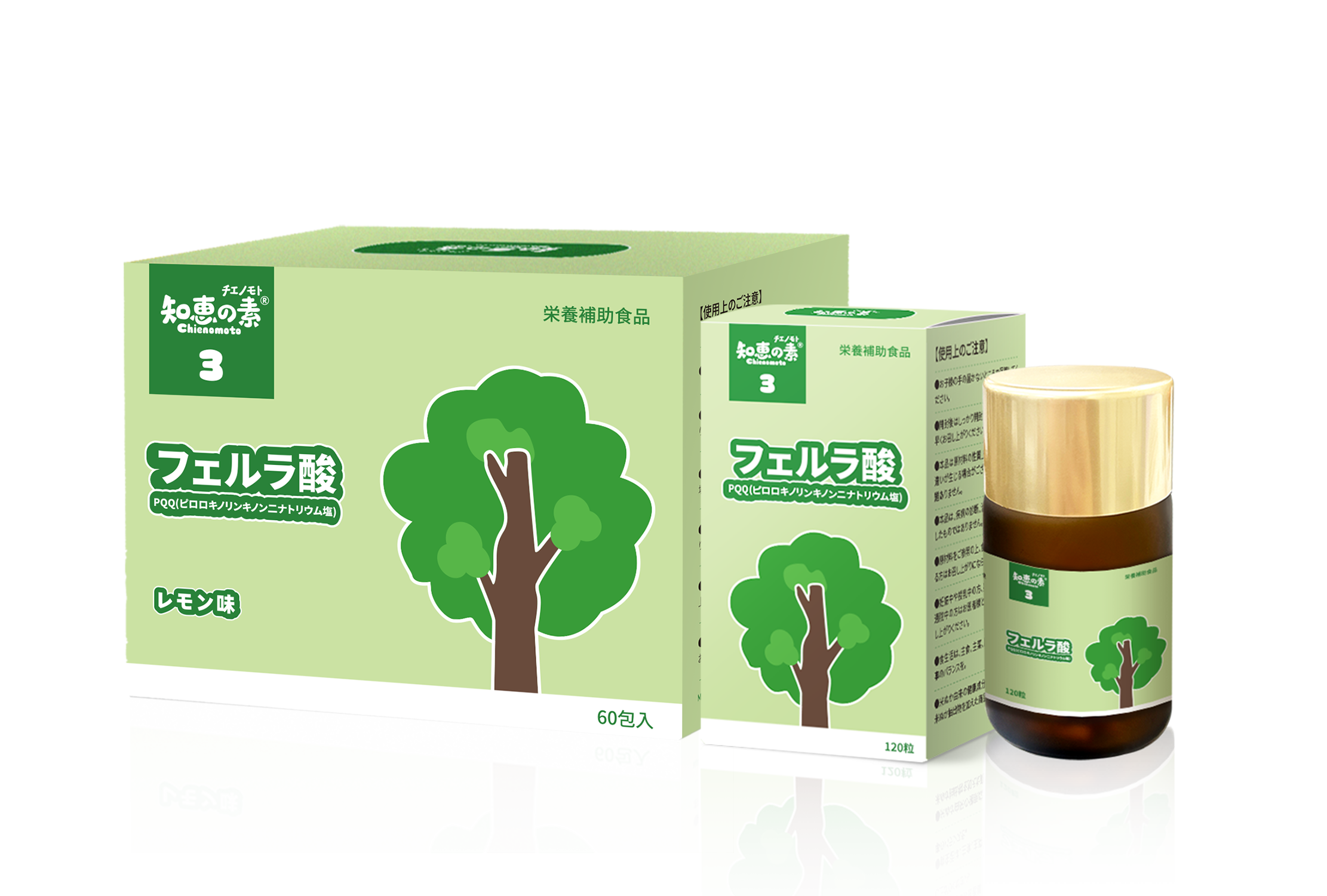
For: Children 3+ and adults. Attention, memory, cognition, language, depression, anxiety, fatigue, exam prep, and slowing brain aging.
A "focus protection" formula the whole family can use, widest age coverage
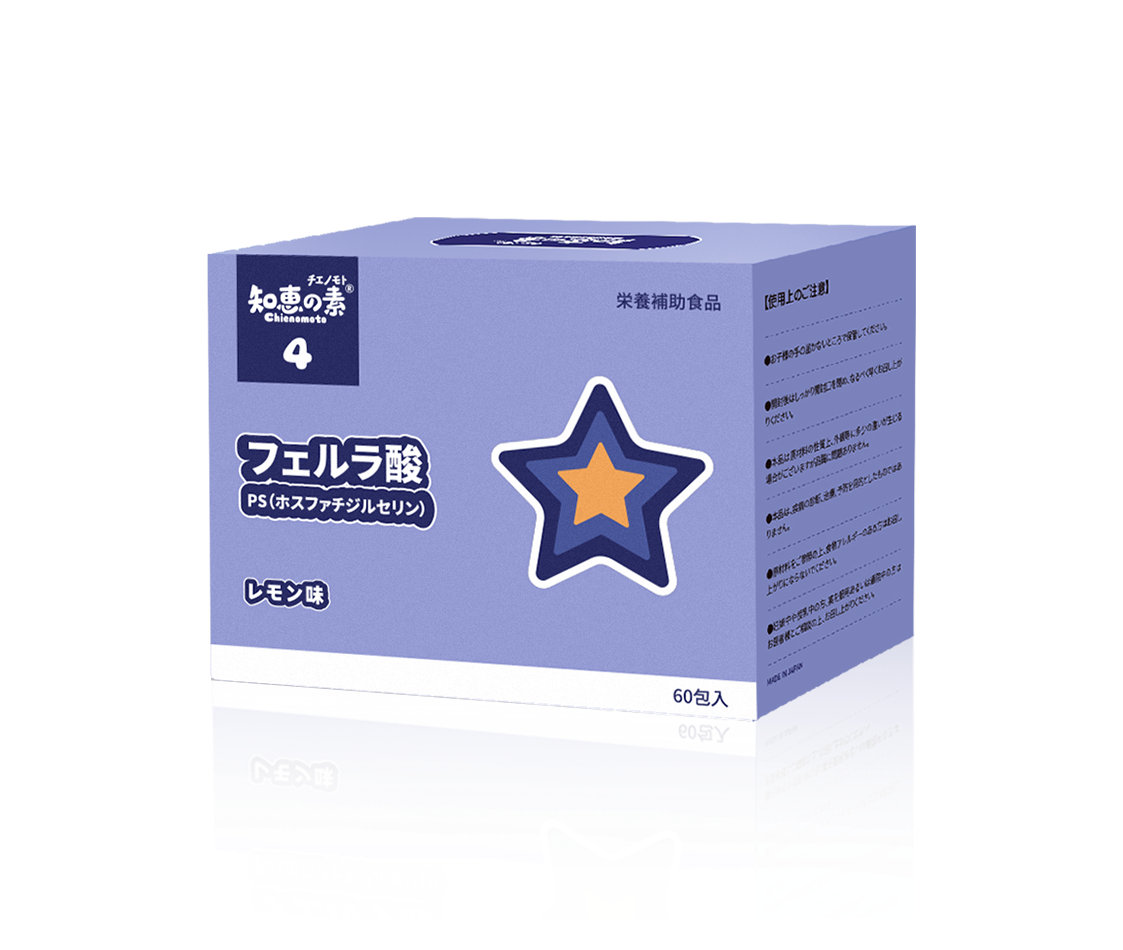
For: Adults. Sleep, mood, cognition, memory, and language issues, plus support around irritability, wandering, and personality changes.
For psychiatric/behavioral symptoms, we recommend seeing a psychiatrist or geriatrician first
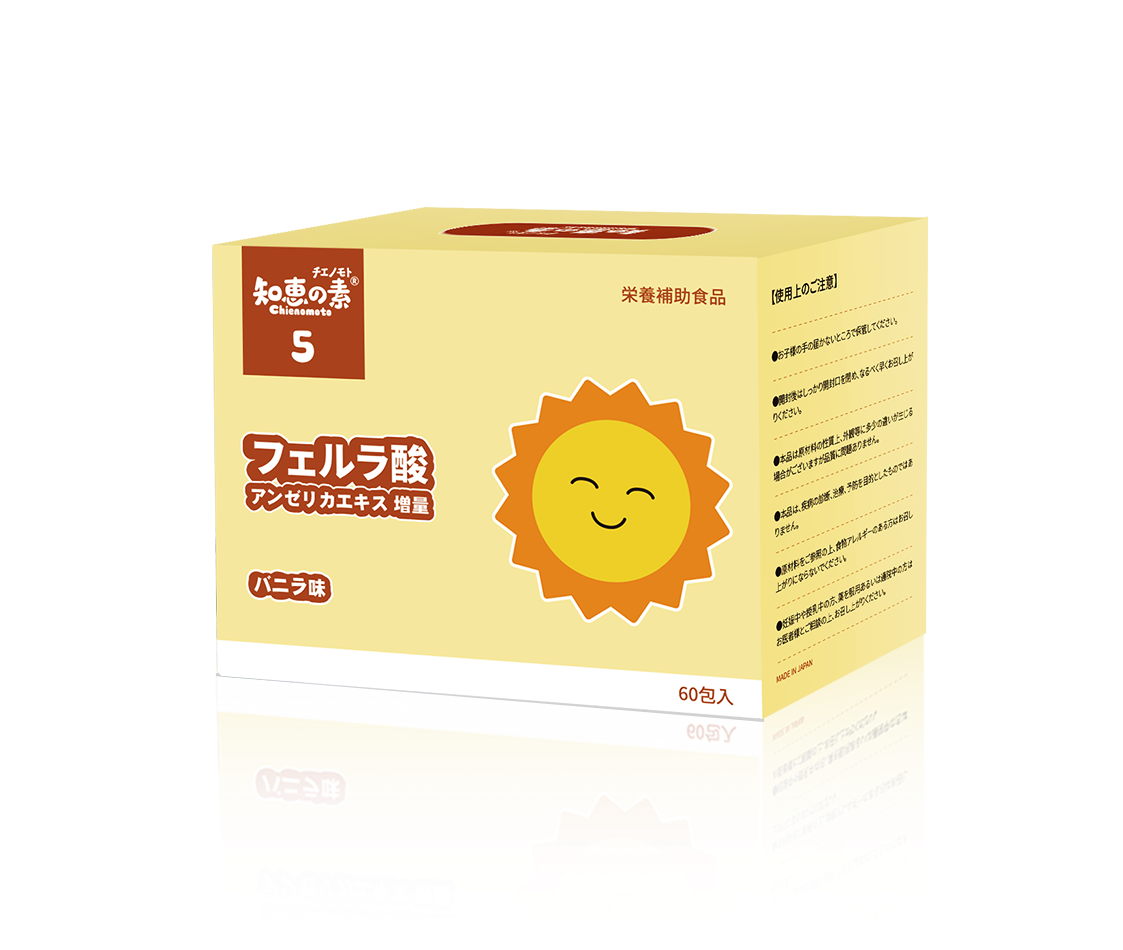
For: An enhanced version with more angelica root, for low mood, loss of interest, withdrawal, and post-stroke recovery.
If you have bleeding risk or take anticoagulants, consult your doctor before use
Age, co-existing conditions, current medications, and whether you're in an exam-prep or stroke-recovery period all affect the best match. Let one of our advisors recommend a formula and dosage based on your specific situation.
Get free guidance※ Nothing on this page constitutes a claim of efficacy. Chienomoto is a functional food and cannot replace foods for special medical purposes, infant formula, health foods, or medication.
Why Trust Us
What we do is make every layer of evidence visible to you.
Institutions including Guangzhou Women and Children's Medical Center, Wenzhou Kangning Hospital, Hunan Children's Hospital, and the Affiliated Brain Hospital of Guangzhou Medical University have conducted real-world clinical observations in developmental delay, ADHD, and subthreshold depression.
PQQ, ferulic acid, and PS are supported by peer-reviewed research published in journals including CNS Neuroscience and Translational Psychiatry.
Every core ingredient has an SDS safety data sheet, with no serious adverse-reaction reports over years of use. Suitable for both children and the elderly.
Real Family Stories
Every story here is shared with the family's consent and identifying details removed. We don't replace doctors — we simply share the paths these families have walked. Stories below are in Chinese, shared directly in the words of the families who lived them.
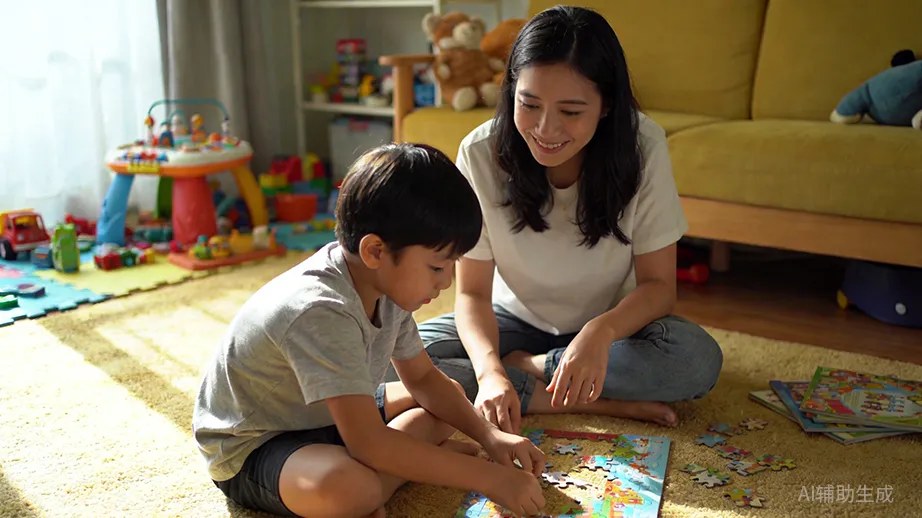
"His mood was so much better after starting. Stable emotions are the starting point for every other improvement."
"My son was diagnosed with hyperactivity and inattention at age 7. We tried a stimulant medication for six months — his focus improved, but he kept losing weight, so we stopped. In July 2024 we switched to Chienomoto No.2. The first month, only his sleep improved; it took until the eighth month for mood, attention, and hyperactivity to gradually get better. Two years in, I'm still reordering — I wouldn't have kept going this long if I hadn't seen real change."
— Ms. Z, mother of a 7-year-old boy · started July 2024

2026-04-08 Read more →
2026-03-30 Read more →
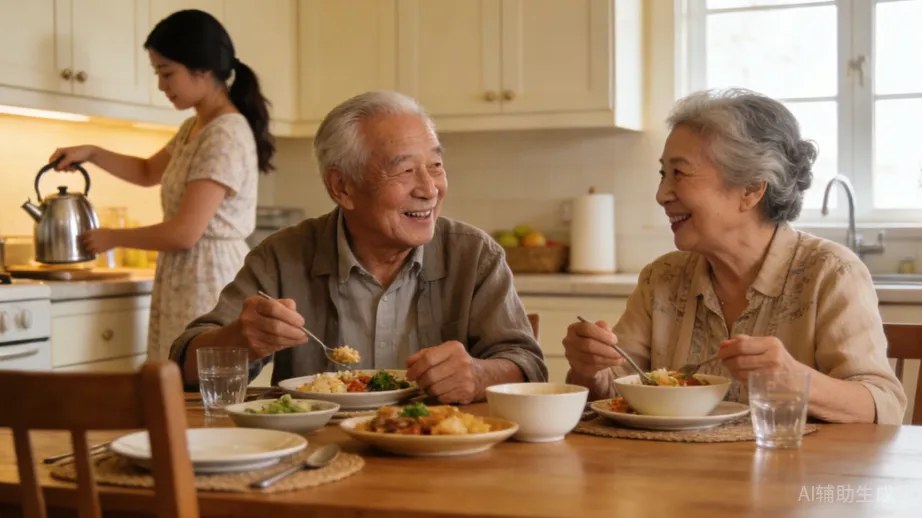
2026-03-30 Read more →

2026-03-30 Read more →

2026-03-20 Read more →
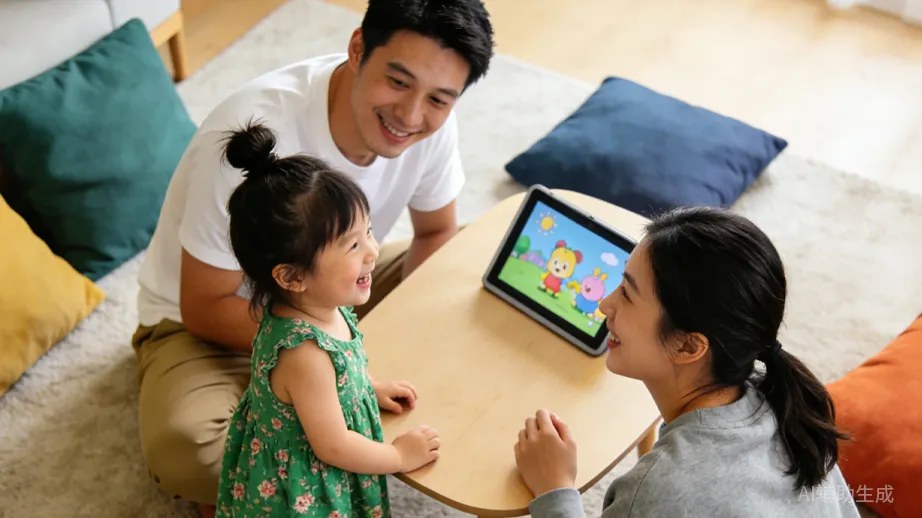
2026-03-27 Read more →
Parent Academy
Working with doctors in child health, psychiatry, and neurology, we've turned common clinical questions into illustrated guides — not a substitute for your doctor, but a way to help you know what to say tonight when you get home. These guides are currently available in Chinese.
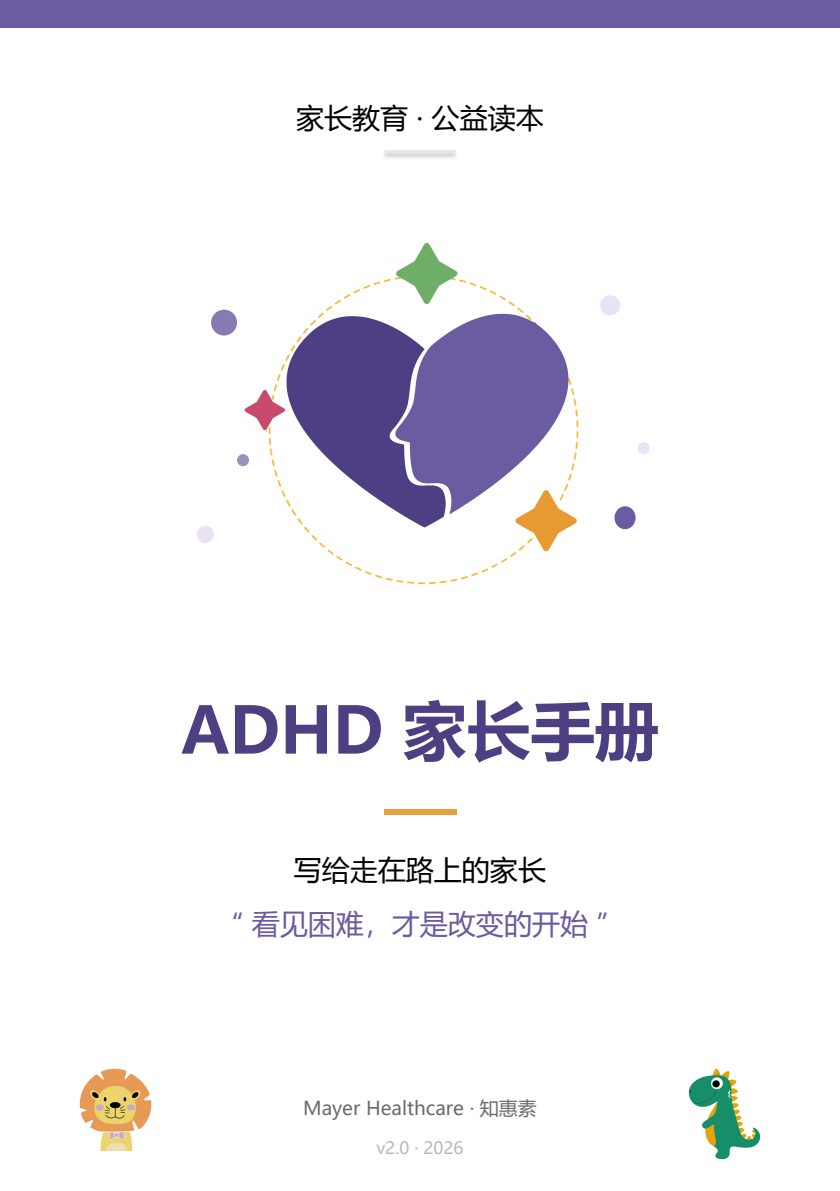 ADHD · Attention / Hyperactivity
"Seeing the struggle is where change begins"
For parents walking the ADHD road — turning "seeing the struggle" into "starting to change."
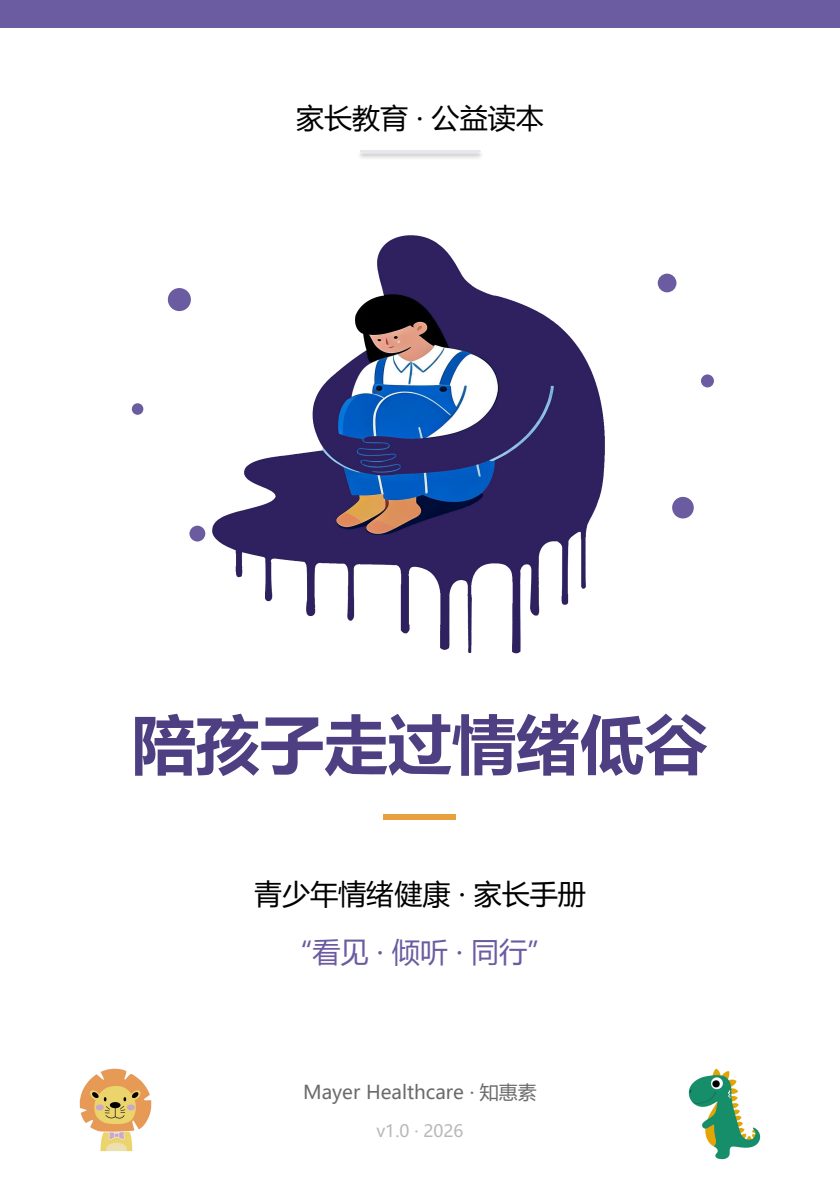 Teen mood / depression
"See · Listen · Walk alongside"
When a child falls into a low mood, start by learning to see and to listen.
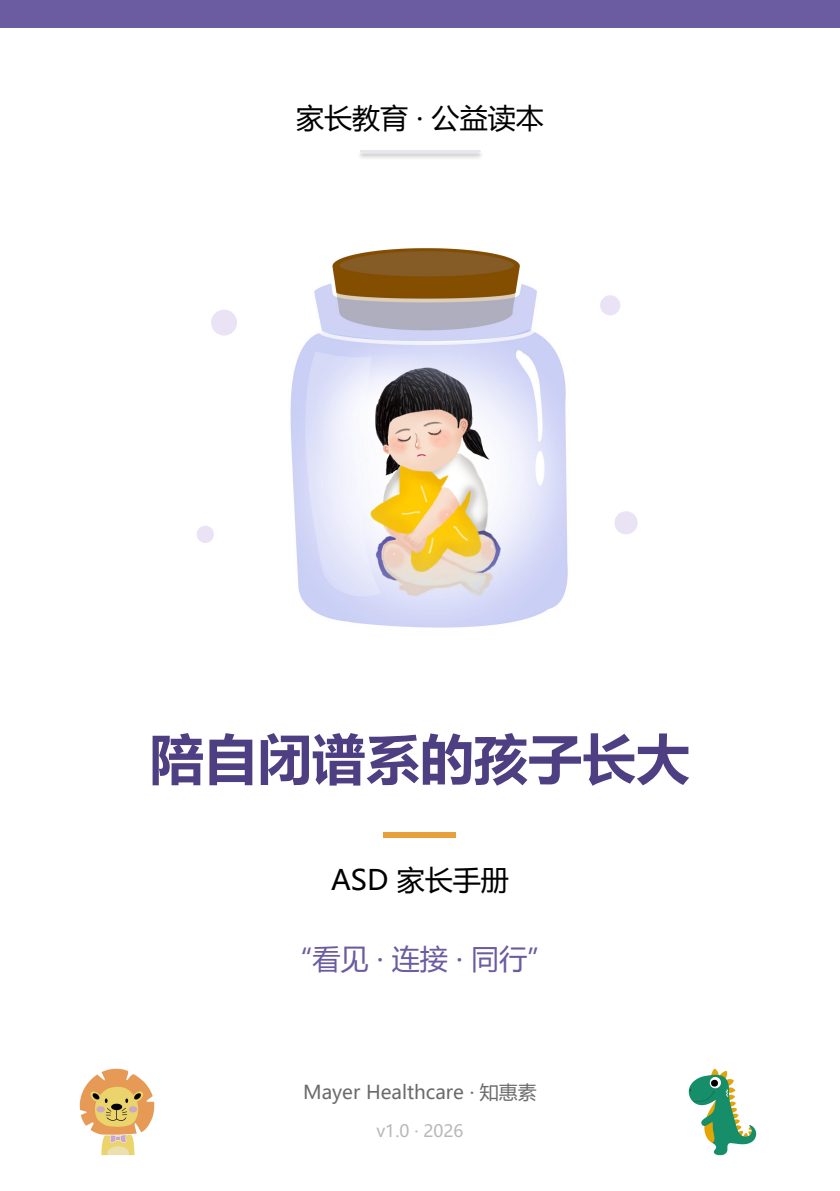 ASD · Autism spectrum
"See · Connect · Walk alongside"
From seeing and connecting to walking alongside — guidance for families on the autism spectrum.
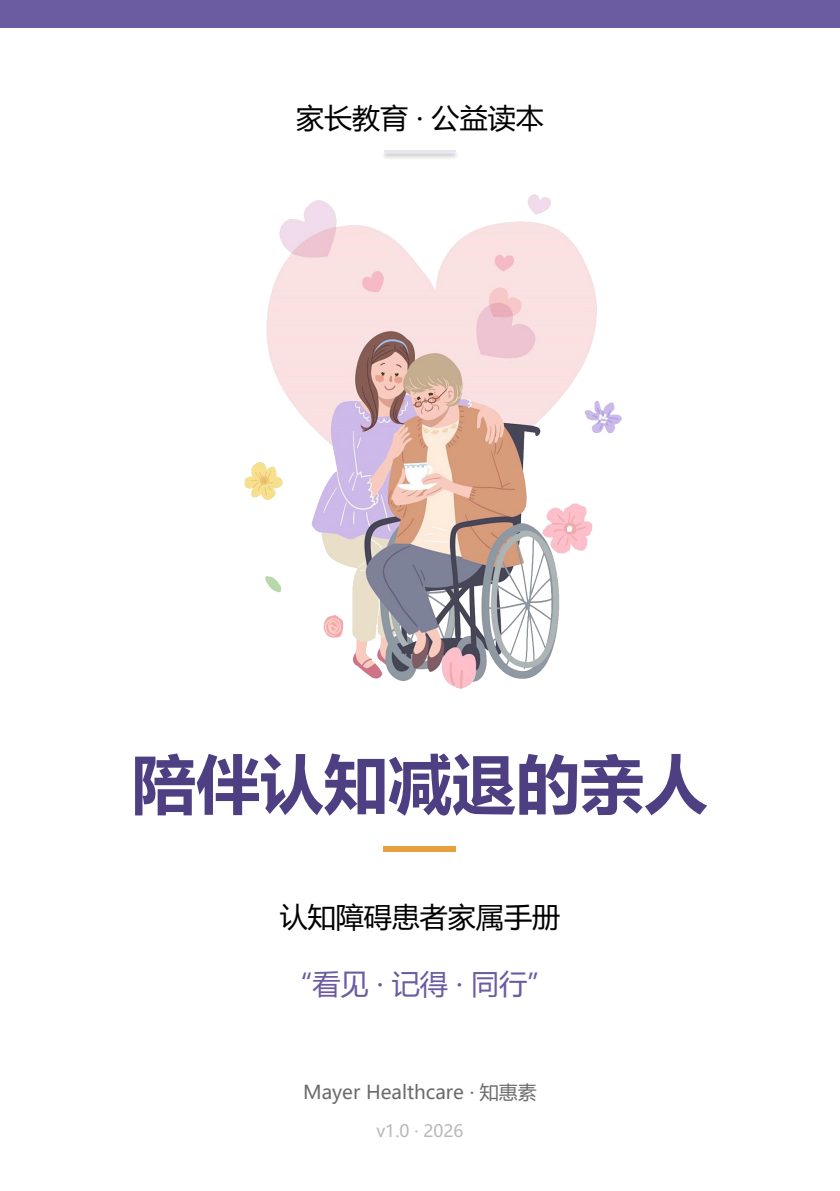 Cognitive decline / early dementia
"See · Remember · Walk alongside"
Caring for a loved one with declining cognition, holding onto memory and daily life together.
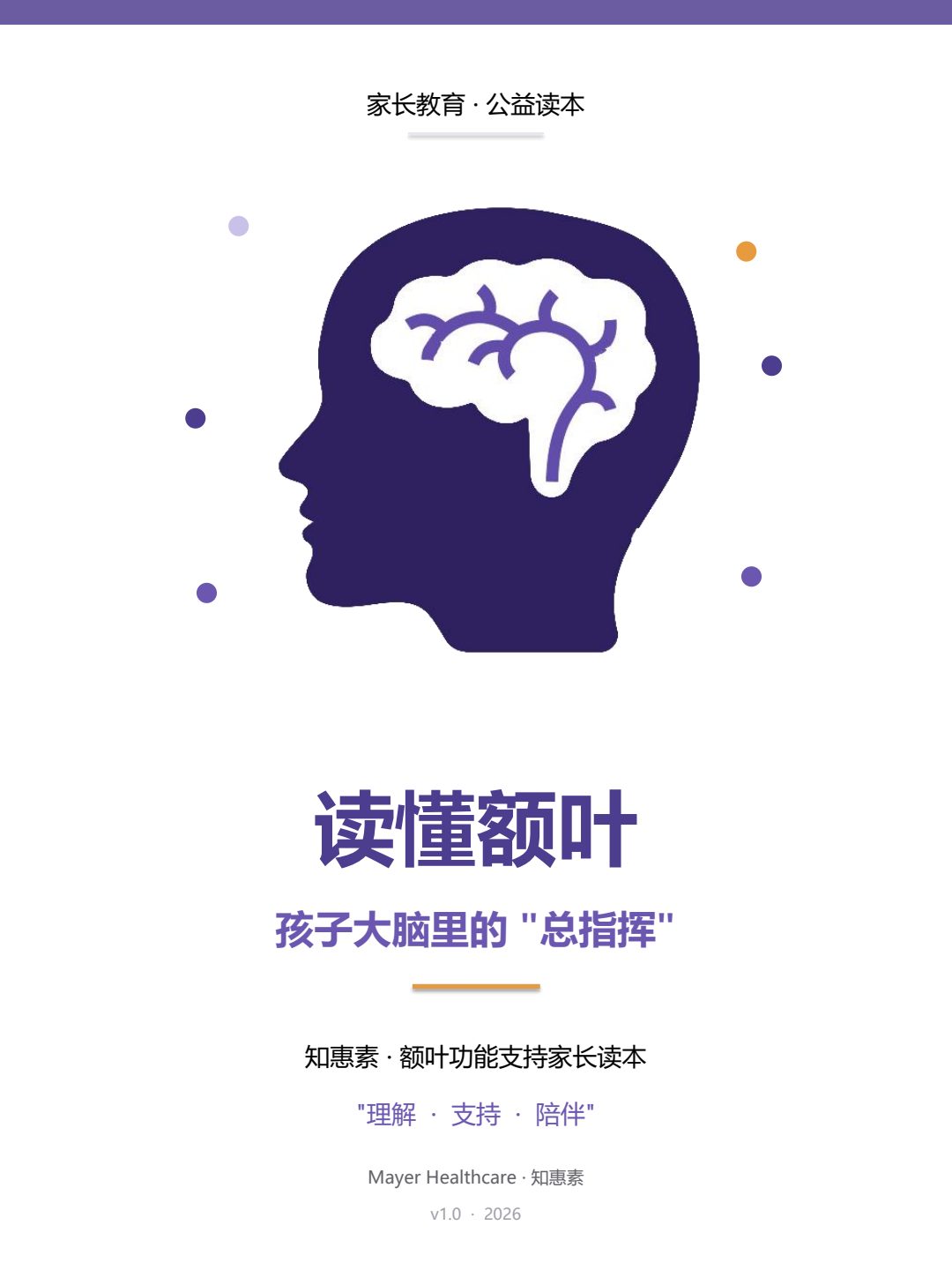 Frontal lobe function 101
"The brain's control center, explained"
Understanding your child's brain's "control center" is where family support begins.
Based on what you tell us about your situation, our advisors will let you know whether this could help, how to use it, and what to watch for. No sales pressure, no pushy follow-ups.
Scan with WeChat to add any of our advisors and describe your family's situation


Hours 8:30–21:00 (China time) · Phone +86 400-991-5155