Endorsed by top-tier hospitals
The clinical evidence closest to you: doctors at 100+ top-tier hospitals use it as a supportive nutrition program in child health, pediatric rehabilitation, psychiatry, neurology, and nutrition departments.
Research Collaboration
Below is a summary in English of what this research program covers. For the full detail — including hospital partnerships and clinical studies — see the Chinese version.
View 117 research directionsEvidence Architecture
Real medical credibility follows a progression: "people close to you are already using it → this ingredient has research behind it → safety data is available to check."
The clinical evidence closest to you: doctors at 100+ top-tier hospitals use it as a supportive nutrition program in child health, pediatric rehabilitation, psychiatry, neurology, and nutrition departments.
PQQ, PS, and ferulic acid aren't new ingredients — all have peer-reviewed research published in journals like CNS Neuroscience and Translational Psychiatry.
Every ingredient has an SDS safety data sheet, with no serious adverse-reaction reports over years of use.
Hospital Network
Departments at the hospitals below already use Chienomoto as a supportive nutrition program, or have conducted clinical observation studies. Contact us for the complete list.
Guangzhou Women and Children's Medical Center
Pediatric Rehabilitation · ADHD / developmental delay
Wenzhou Kangning Hospital
Psychiatry · subthreshold depression research
Hunan Children's Hospital
Rehabilitation · pediatric attention issues
Guangdong Second Provincial People's Hospital
Nutrition · general applications
Affiliated Brain Hospital of Guangzhou Medical University
Child & adolescent · Nutrition
Guangdong Women and Children Hospital
Pediatric Rehabilitation · ADHD / developmental delay
※ On "hospital endorsement": Partner hospitals use Chienomoto as a supportive nutrition program alongside a doctor's treatment plan. This does not represent an official institutional endorsement or prescription recommendation — the specific plan is always determined by the treating physician based on the individual's situation.
Hospital-led Studies
The studies below were all led by partner hospitals, with results published as conference posters or in peer-reviewed journals. We've extracted and plainly translated only the parts most relevant to families.
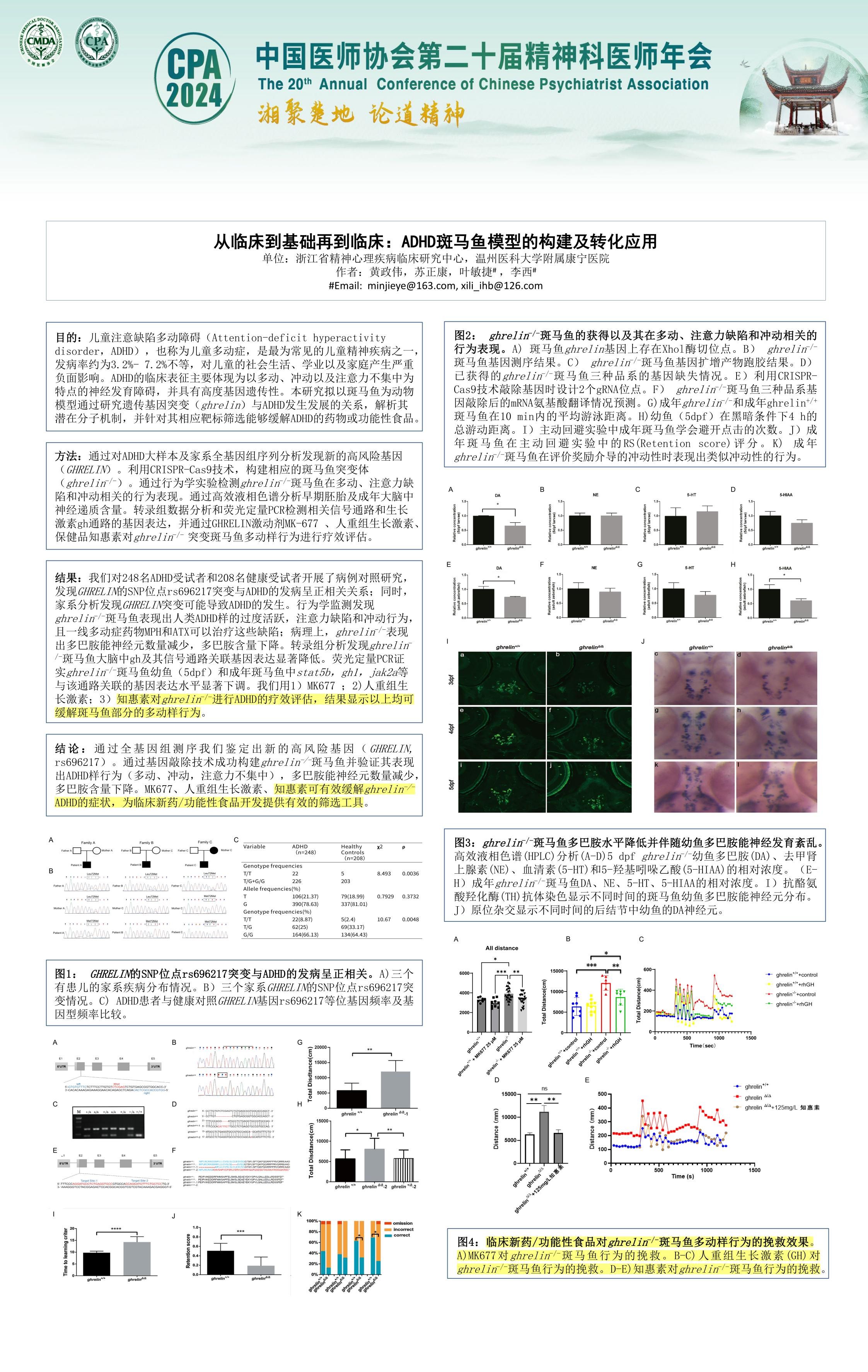
2024 poster · April · joint medical school research
A combined study using a zebrafish model and clinical observation, exploring the potential mechanism of the core ingredient combination in regulating attention in ADHD. What this means for families: a preliminary, mechanism-level explanation for why this formula works in ADHD contexts.
Affiliated Brain Hospital of Guangzhou Medical University · Child & Adolescent Psychology
A supportive nutritional intervention study for people with subthreshold depression who don't yet require medication. What this means for families: this is the "gray zone" parents of teens worry about most — the study attempts to answer what kind of supportive role Chienomoto can play here.
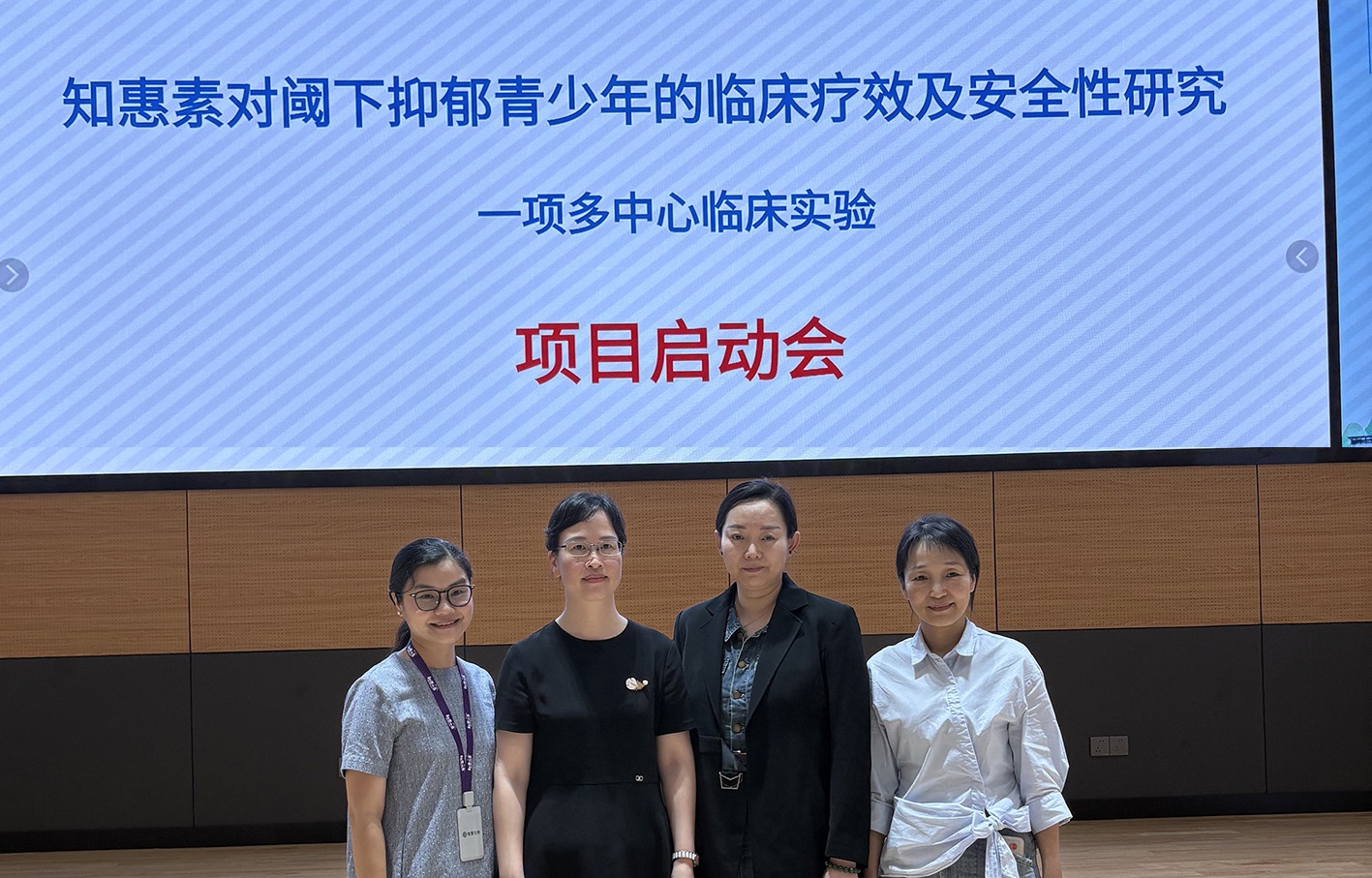
Hunan Children's Hospital · Rehabilitation
This project focuses on children with global developmental delay, aiming to further verify Chienomoto's application value and safety in this population through multi-center, prospective observation, and to build a more systematic body of clinical evidence. We will continue to follow the research and responsibly report interim results. What this means for families: insight into where supportive use of Chienomoto may help children with developmental delay.
Guangzhou Women and Children's Medical Center · Rehabilitation
Real-world data accumulated through long-term clinical collaboration, focused on actual family-reported feedback from combining methylphenidate-class medication with Chienomoto's supportive nutrition. What this means for families: the real-world data source closest to your own situation.
Compound by Compound
Don't trust a "secret formula." Every legitimate functional food should lay its ingredients out in the open.

Antioxidant · neuroinflammation regulation · mood pathways
Ferulic acid is a natural polyphenolic compound widely found in grains and plants, with strong antioxidant and anti-neuroinflammatory effects. A 2023 review in CNS Neuroscience & Therapeutics discussed it as a potential adjunctive candidate for depression, with mechanisms involving monoamine neurotransmitters, neuroplasticity, and neuroinflammation.
Key literature: "Ferulic Acid as a Therapeutic Agent in Depression" (DOI: 10.1111/cns.14265); "Effects of Ferulic Acid and Angelica Archangelica Extract on Behavioral and Psychological Symptoms in Frontotemporal Dementia and Dementia with Lewy Bodies" (Geriatr Gerontol Int. 2011)
Mitochondrial biogenesis · neural energy metabolism
PQQ is a vitamin-like cofactor whose key role is promoting mitochondrial biogenesis. When the brain is under chronic stress, inflammation, or aging, declining mitochondrial function is one of the shared mechanisms behind cognitive and mood issues. PQQ has been used as a dietary supplement in Japan and the US for years.
Key literature: "Effects of Dietary Pyrroloquinoline Quinone Disodium Salt on Cognitive Function in Healthy Volunteers: A Randomized, Double-Blind, Placebo-Controlled, Parallel-Group Study" (J. Am. Coll. Nutr., DOI: 10.1080/07315724.2021.1962770)
Microcirculation support · traditional medicine synergy
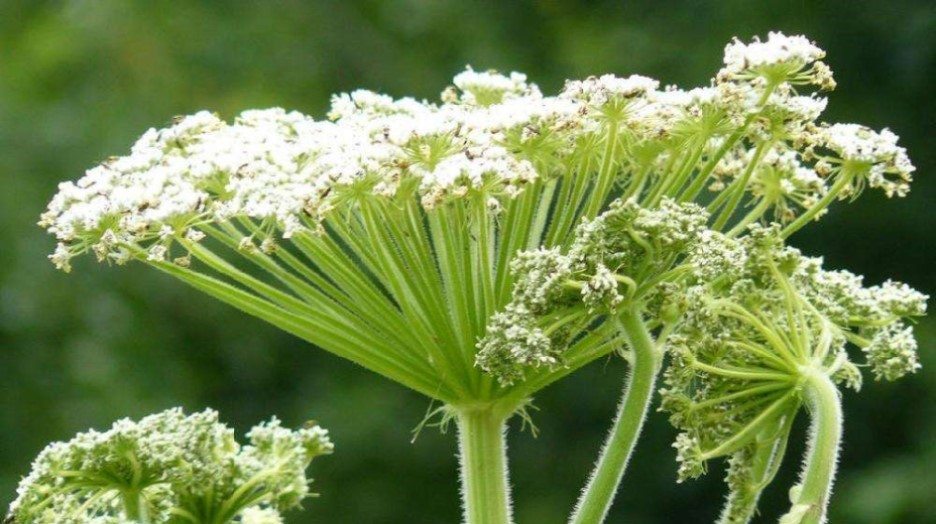
Angelica Archangelica root is a classic ingredient in traditional Chinese medicine used to nourish and invigorate blood. Modern research focuses on its polysaccharides, ferulic acid, and imperatorin-type active compounds and their effects on microcirculation, inflammation, and oxidative stress. In Chienomoto's formula, it works in synergy with ferulic acid, PQQ, and PS, especially in applications for older adults dealing with mood and cognitive decline.
Key literature: "Effects of Ferulic Acid and Angelica Archangelica Extract on Mild Cognitive Impairment" (J. Alzheimer's Dis. Reports 4 (2020) 393–398, DOI: 10.3233/ADR-200211)
Neuronal membrane core · attention · memory
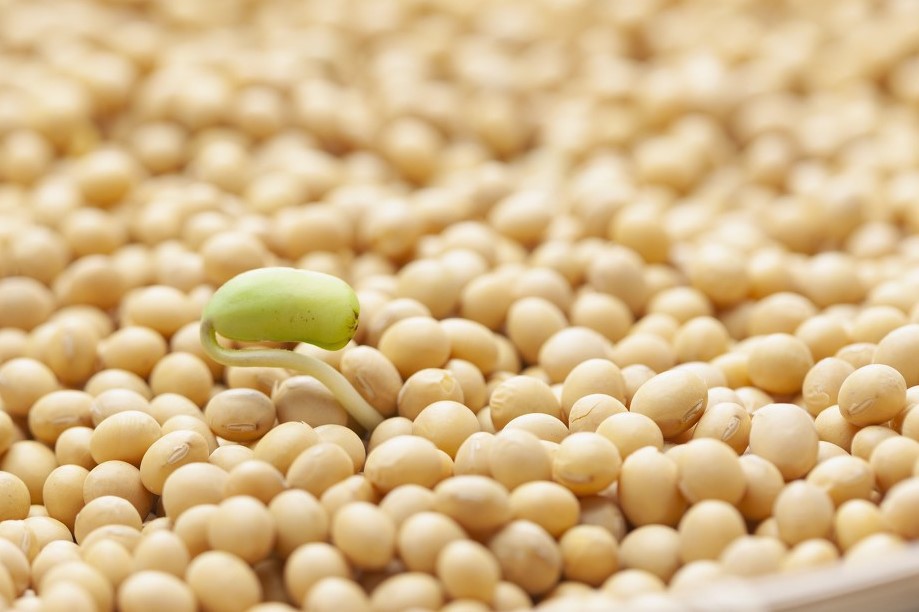
Phosphatidylserine is a core component of neuronal cell membranes, involved in neurotransmitter release and maintaining receptor function. The body's ability to synthesize it declines with age after adulthood. The FDA's 2003 qualified health claim linking PS to improved cognitive function is a landmark recognition of PS in cognitive nutrition.
Key literature: "Phosphatidylserine in the Treatment of Pediatric Attention Deficit Hyperactivity Disorder: A Systematic Review and Meta-Analysis" (JACM Vol.27, No.4, 2021, pp.312–322, DOI: 10.1089/acm.2020.0432)
Safety Profile
SDS (Safety Data Sheet) sources exist for every raw material, and we're happy to lay them out. Here's a simplified version.
| Ingredient | Acute toxicity | Long-term safety | Known contraindications | SDS source |
|---|---|---|---|---|
| PQQ | Very low | Years of food-grade use in Japan / US | None reported | Mitsubishi Gas Chemical SDS |
| PS (Phosphatidylserine) | Very low | FDA qualified health claim granted | Caution for those with soy allergy | Manufacturer SDS · public |
| Ferulic acid | Very low | Naturally present in food | Pregnant women should consult a doctor | Manufacturer SDS · 2020.06 |
| Angelica root extract | Food-medicine homology | Millennia of use in China | Caution during menstruation / bleeding tendency | Pharmacopoeia & manufacturer data |
Suitable for
Children 1+, teens, adults, and older adults.
Use with caution / not suitable
Those with severe soy allergy, pregnant or breastfeeding women, those with bleeding tendencies, or those on anticoagulants — please consult a doctor or our team first.
Not for use by
Children under 1 year old, or anyone with a confirmed allergy to any formula ingredient.
Clinical Application
Families often ask "can Chienomoto be combined with the medication we're already taking?" — here's a common pairing pattern seen in clinical collaboration.
Specialist evaluation & diagnosis
ADHD diagnosis and medication plan completed by child psychiatry / developmental-behavioral pediatrics
Primary medication starts
Core treatment medication used per doctor's prescription
Side effects assessed
Tracking appetite, sleep, mood, and growth indicators
Chienomoto added
Introduced on a doctor's or advisor's recommendation, for side-effect management and nutritional support
Long-term tracking & adjustment
Reassessed every 3 months, with the doctor deciding whether to adjust the primary medication
※ Important boundary: The pathway above reflects a common pattern observed in clinical collaboration — it is not a "standard protocol." Every child and every older adult is different. Whether, when, and how to add Chienomoto should follow the guidance of the treating physician and our team.
Tell us what medication your child or parent is currently on, their condition, and what the doctor has said — we'll offer specific, actionable suggestions based on our clinical collaboration experience.
Scan with WeChat to add any of our advisors and describe your family's situation



Hours 8:30–21:00 (China time) · Phone +86 400-991-5155