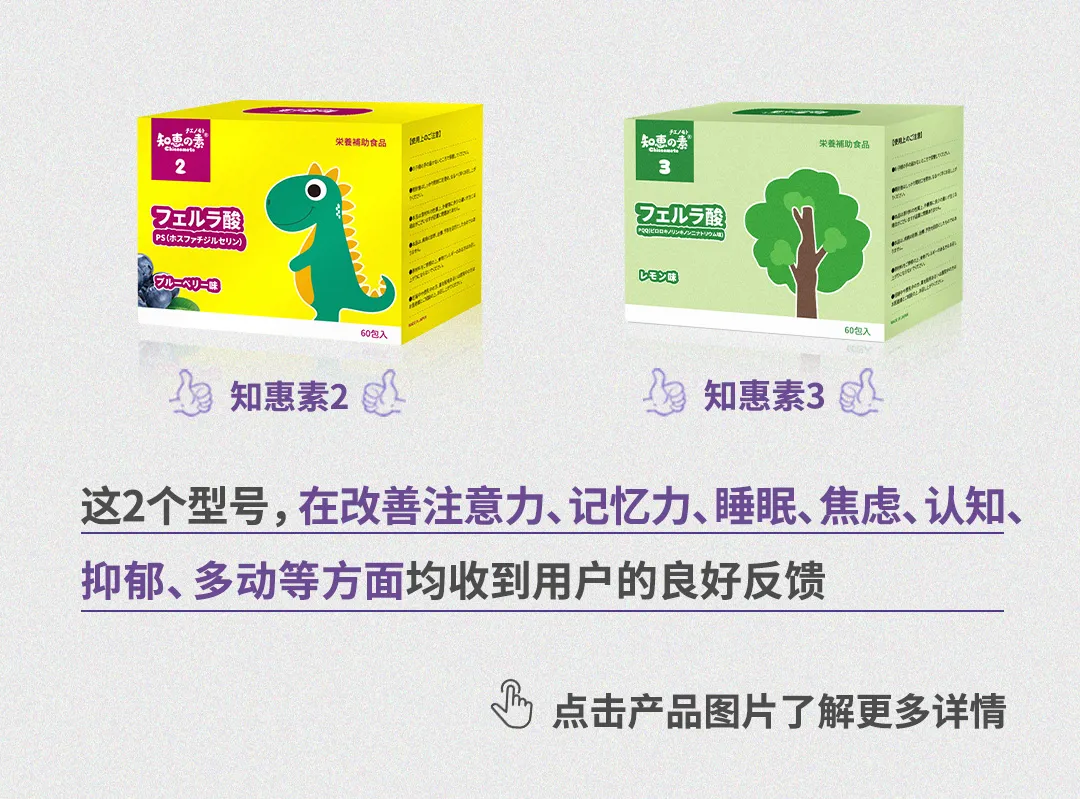
In our customer service work at Chienomoto, we've talked with many anxious parents. But this conversation with Dongdong's mother, Ms. L, is one we especially wanted to write down — not only because the child's progress is so heartening, but because this mother's persistence and trust are genuinely moving.
01 A difficult starting point
Ms. L's son Dongdong is 12 years old now, but his path of growth was harder than most from the very start.

He was deprived of oxygen at birth, and had his first convulsion during the postpartum confinement period; a second sudden convulsion followed at four months old. Examinations found damage to the left side of his brain, along with mild hydrocephalus. Even with follow-up acupuncture rehabilitation, signs of developmental delay gradually emerged: he didn't walk until 1 year and 3 months old, and showed in-toeing, high muscle tone, poor balance, and delayed fine motor skills.
Kindergarten years: unable to sit still, hyperactive, quick-tempered, avoided anything he found difficult to learn, and lacked a sense of safety awareness.
Elementary school years: got up and wandered during class, had a short temper, clashed frequently with classmates, and once even scared others by playing with a lighter.
He fell behind academically, and at age 11 his IQ test came back borderline (below 80) — English was his only strong subject, where he could rank in the top five of his class.
02 First encounter with Chienomoto: off to a rocky start
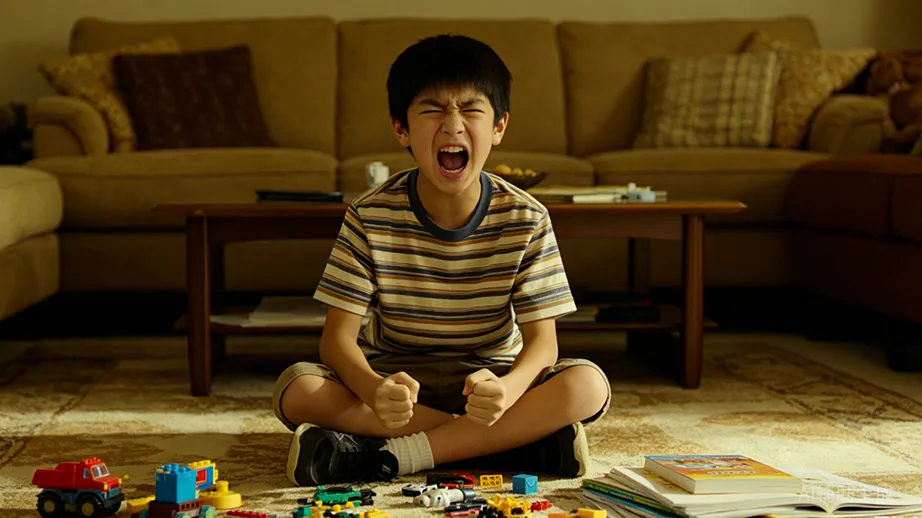
In May 2025, on a doctor's recommendation, Ms. L bought Chienomoto No. 2 for the first time — six boxes in one go — and began giving Dongdong two packets in the morning and two in the evening. At first, Dongdong's reaction was bigger than expected: he became more agitated emotionally, his personality shifted from timid to recklessly headstrong, and he frequently became careless and forgetful.
Ms. L promptly contacted customer service, who suggested — based on his condition — reducing the dose to one packet in the morning and one in the evening. After the adjustment, his mood gradually stabilized. A note on this: every child's constitution is different, and finding the right dose takes a period of adjustment.
03 Change, happening bit by bit
By November 2025, his cognition had visibly improved. "He can tell whether something should or shouldn't be done, but he still really wants to do it anyway, and it often backfires," his mother told us — sounding both relieved and a little helpless.

Sleep issues persisted — if he took a nap, he wouldn't fall asleep until after 11 p.m., and he'd wake up as early as five or six in the morning. Based on his condition, our customer service team adjusted his regimen, suggesting he try one packet of No. 3 in the morning and one of No. 2 in the evening. Seeing her son's progress, Ms. L confidently reordered six more boxes.
04 The real turning point
In January 2026, the family went back to their hometown for the Lunar New Year, and Ms. L was pleasantly surprised to find that relatives and friends, without any prompting from each other, all said the same thing: Dongdong had grown so much more thoughtful! He could express his own thoughts in full, cared about his parents and elders, and even brought up on his own many things he felt he'd gotten wrong before. "He's able to recognize his own problems now — that never used to happen," Ms. L said.

Dongdong's cognition and expression were improving, and so were his emotions and social skills. He used to have terrible relationships with classmates and clashed with them often; now he gets along well and has even made a lot of good friends. His self-discipline has improved too — he's started controlling his diet on his own, with visible weight-loss results, and his overall physical condition keeps getting better.
05 The child's own initiative
In May 2026, something happened that surprised both his family and our customer service team — Dongdong looked into it himself using an AI assistant, and then called our customer service hotline on his own to ask about Chienomoto No. 5, which he felt would be a better fit for improving his sleep.
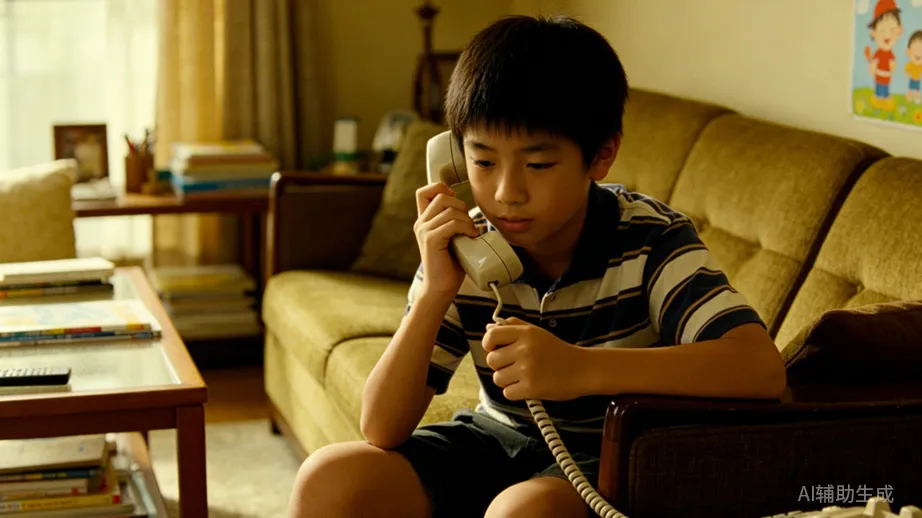
For a 12-year-old to take the initiative to research his own health is itself a huge sign of growth. His current sleep situation: he falls asleep at 10 p.m., and wakes up for about half an hour in the middle of the night, around two or three in the morning. Our customer service team has already suggested switching to taking it before meals and trying two packets of No. 3 in the morning and two of No. 2 in the evening, hoping for further improvement.
06 A mother's reflections
"When he first started taking it, the reaction was so strong I almost wanted to give up. But we stuck with it, and his progress built up little by little. Now all our relatives say he's like a different person — he cares about people, and he can actually talk things through properly," Ms. L happily shared when we followed up with her a few days ago.

"We didn't want to go the route of prescription medication — we were worried about side effects. As a supplementary food, Chienomoto has given our son this kind of change, and we're already very satisfied with that."
07 For more families
This 12-year-old's story tells us:
A strong initial reaction isn't necessarily a bad sign — it may just be the brain adapting and adjusting; reducing the dose and giving the body time can often lead to positive change.
Change happens gradually — emotional stability, cognitive gains, and better social skills all take time to build, step by step.
A child's own initiative can be awakened — once a child starts caring about their own health, an inner drive kicks in.
Thank you to Ms. L for her trust and persistence, and to every family willing to share their story. Your experiences are helping more parents who feel lost find their way. Chienomoto is glad to accompany every family, and to witness every child's growth.