This child has been taking Chienomoto No. 2 since August 2024, and as of June 2026 the family is still reordering. Over these nearly two years, the parents have shared feedback about their child's changes many times, in follow-ups and reviews alike. Let's start with a table to lay out this arc of change clearly.
The child's changes over the past nearly two years
Time
Usage / feedback milestone
Main changes the parents reported
August 2024
Started taking Chienomoto No. 2
The child was 11, with somewhat poor attention and mild hyperactivity; cognition and intellectual development lagged a bit, language ability was fairly weak, and gross and fine motor skills weren't great either.
November 2024
Review feedback
Recommended by a doctor; the child's sleep and mood improved, and the teacher reported better focus in class and clearly improved language comprehension.
August 2025
Follow-up after about a year of continuous use
He used to be able to say only very short phrases; now he can form longer sentences too. He used to be unable to focus in class and fidgeted a lot; now that's much better. He used to have trouble taking anything in; now he's more willing to learn than before.
September 2025
Parents' review again
"After more than a year, his language has come along a lot, his mood is very stable, and his sleep has improved too — we'll keep on with it."
June 2026
Reordered six boxes of No. 2
"We've been on it for almost two years now, and he's made great progress! His language comprehension and cognition have both improved so well, and his schoolwork has come along a lot too! So we'll keep taking it for good!"
August 2024: starting on Chienomoto No. 2
Before starting, the child was 11. His parents described him as sleeping fine and being emotionally fairly stable, but with poor attention and a bit of mild hyperactivity; his cognition and intelligence lagged somewhat, his language ability was fairly weak, his memory was okay, and his gross and fine motor skills weren't great either.

His parents also mentioned that he'd done two years of rehabilitation therapy before, without much improvement. Later, on a doctor's recommendation, they started trying Chienomoto.
Two months in, his teacher reported he was more focused in class
From the parents' review: "After two months on Chienomoto, his sleep got better, his mood improved too, and his teacher said he's more focused in class now — his language comprehension has clearly improved. We'll keep taking it, and hope he keeps getting better! We've also recommended it to friends whose kids are taking it now too. Hope all the kids keep doing well!"

There's an important piece of information in this feedback: the teacher, too, observed that the child was more focused in class. For a child with weak attention and a lot of fidgeting, changes at home are one thing, but changes in the classroom matter just as much — because when a child is actually facing schoolwork, whether they can take things in and keep up with the teacher's pace is usually what a teacher notices most easily.

After a year of continuous use, the follow-up feedback got more specific
In August 2025, we followed up again; the child was now 12, in fourth grade. His parents said his improvement hadn't been especially fast, but after taking it this long, there had been clear changes in every area.

In terms of language, he used to be able to say only very short phrases; now he can form longer sentences too. In terms of attention, he used to be unable to focus in class and fidgeted a lot; now that's much better. In terms of his attitude toward learning, he used to have trouble taking anything in; now he's more willing to learn than before. As for cognition, his parents hadn't taken him back for a formal assessment, but they could clearly feel that he was different from before.
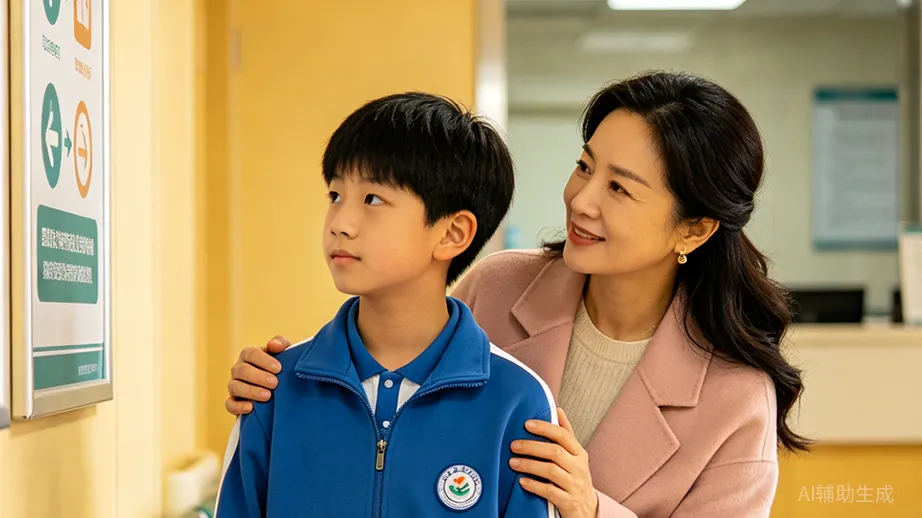
His parents also specifically mentioned that the look in his eyes was very different from before, and his movements were much more coordinated too. None of these changes can be summed up in a simple "he's improved." For this child, going from short phrases to long sentences, from being unable to take anything in to being willing to learn a bit, from being very fidgety in class to having better focus — all of these are very real, tangible steps of progress.
June 2026: still reordering
His parents said: "We've been on it for almost two years now, and he's made great progress! His language comprehension and cognition have both improved so well, and his schoolwork has come along a lot too! So we'll keep taking it for good!"

In summary
This isn't a story of results in just a few days. It goes from sleeping a little better and being a little calmer emotionally, to being a bit more focused in class, to speaking a bit more and understanding a bit better, and finally, to schoolwork gradually coming along too.

His mother said: "His language comprehension and cognition have both improved so well, and his schoolwork has come along a lot too." Behind that sentence lies nearly two years of continuous observation — and a genuine record of a child slowly getting better.