A few days ago, Xiao J told me that Modern Chinese History — the one subject in her adult self-study "upgrade to bachelor's" program that she just could never crack — she finally passed it this time.
First attempt: just over 40.
Second attempt: just over 50.
Third attempt: just over 70.

As she told me this, she seemed a bit embarrassed:
"It's really not a big deal, that subject isn't even that hard"
But that's exactly why I wanted to write her story down.
Because for a lot of people, the real pressure is hiding precisely in these things that "don't seem like a big deal."
Not every subject is hard — but she got stuck on this one
Xiao J only picked her books back up and enrolled in the adult self-study exam program after she started working. Studying for exams while holding down a job is never easy to begin with.
She passed all her other subjects basically on the first try. It was only Modern Chinese History that she failed twice in a row.

She said that ever since school, she'd never really "clicked" with history:
"It felt like no matter how I memorized it or studied it, nothing worked"
That sounds like she's complaining about her memory, but it's really more like a sense of helplessness that had built up over time — it wasn't that the subject was so hard, it's that she'd decided from the start that "I just can't do well at this."
After failing twice, what scared her wasn't the exam questions anymore — it was herself
A lot of people don't realize that when you keep failing the same exam, what really wears you down usually isn't the material itself.
The first time you fail, you can tell yourself "I just didn't review enough." The second time you fail again, that voice in your head starts to change:
"Am I just no good at this?"
The questions might not actually be impossibly hard, but after getting stuck twice, people really do start to panic more and more.

Sitting back down at her desk, her attention was split half on the book, half on her anxiety.
The more she tried to remember, the less she could; the less she could remember, the more anxious she got.
That was Xiao J's state of mind heading into her third attempt at the exam.
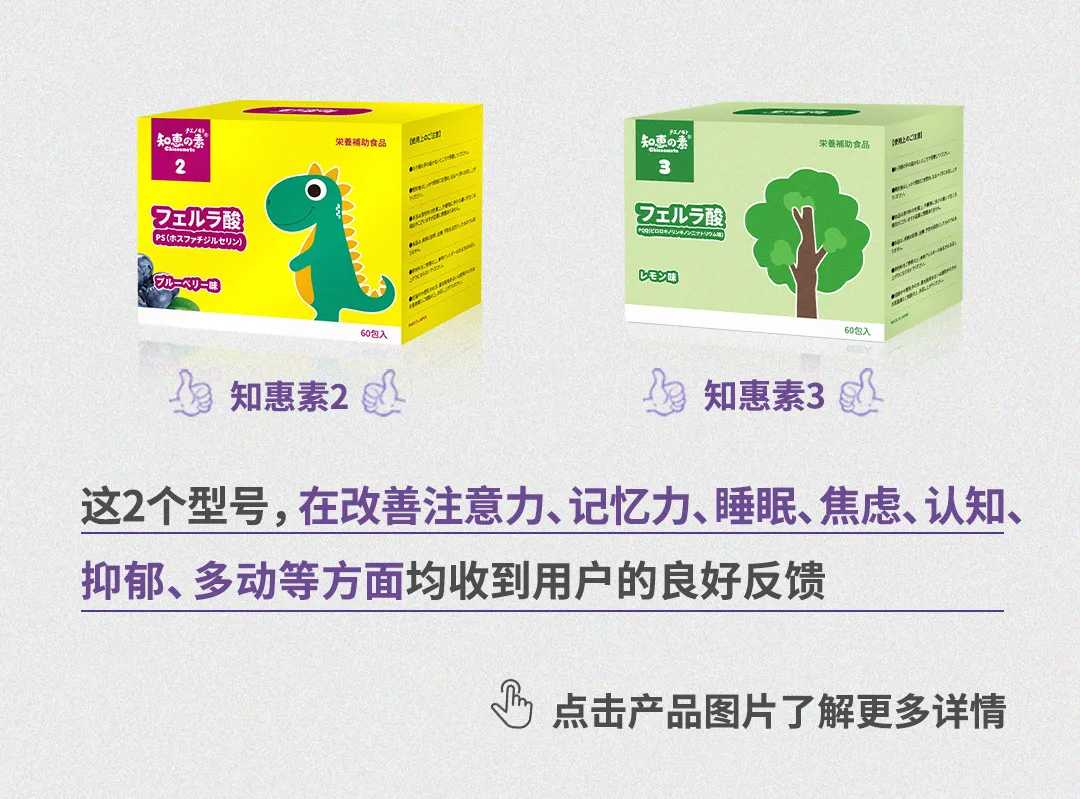
A month before the exam, she started taking No. 3
A month before her third attempt at the exam, Xiao J started taking
Chienomoto No. 3
.
She was quite frank about it herself:
"Honestly I was just doing last-minute cramming — figured I'd take it for the last month before the exam."

The way she took it was simple too — two packets each morning and evening, every day, right on schedule.
She didn't have high expectations going in; she just wanted a little extra help getting through her studying in this final stretch.
About two weeks later, she said her "head felt less noisy"
After about two weeks of taking it, Xiao J kept telling her coworkers that something felt different.
What she described most often wasn't "remembering things better," but her mood:
"I'm someone who gets anxious easily and tends to overthink everything. After taking this, I genuinely feel like my state of mind has gotten better than before."

"When I study now, I'm more focused and more patient too."
"The most obvious change is emotional — I don't keep spiraling into anxious overthinking anymore, I can settle down and focus on one thing."
She even joked that it was her "mood stabilizer," and felt she'd become more upbeat too.
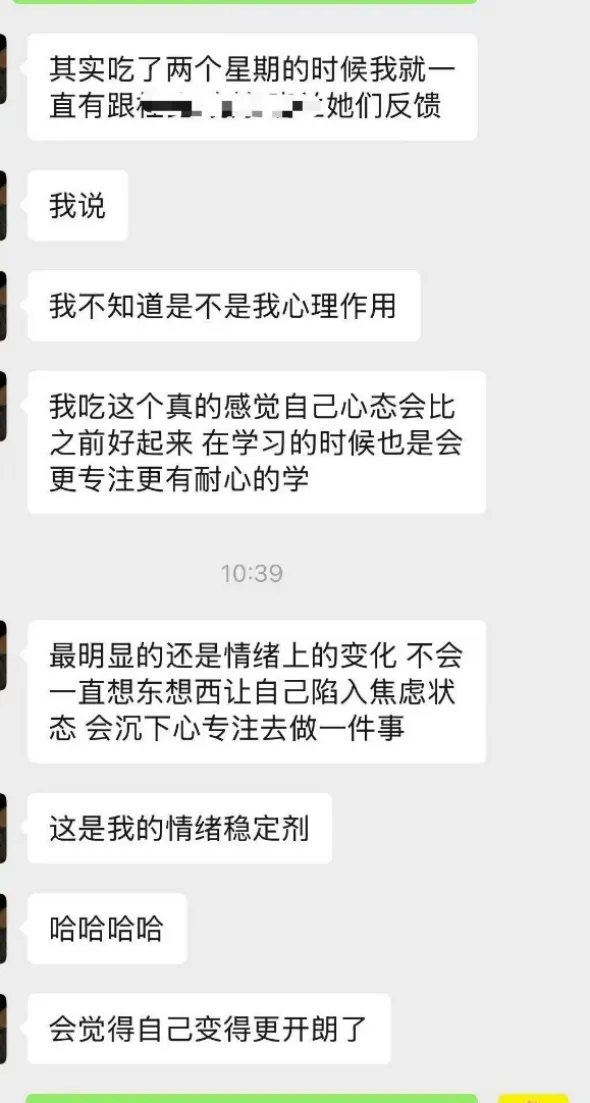
Of course, she had her own doubts at first too: could this just be a placebo effect?
During that time, she kept checking back with
Chienomoto's
staff, again and again. Each time, they told her clearly — it wasn't just in her head.

All of this is her own subjective experience, and we're just recording it faithfully. But for someone prone to anxiety who had gotten stuck on the same subject twice, simply being able to "sit down and settle in" was already something crucial in itself.
Third Time: Just Over 70
Just over 40, just over 50, just over 70.
There's no dramatic comeback here, and she didn't suddenly turn into a top student.
She just finally managed to sit down and get through everything she needed to memorize and do, one piece at a time.
And then, the subject she'd failed twice before — she passed it.
She later thought of her younger brother, a high school senior
After passing, Xiao J thought of her own younger brother, who was in his final year of high school and deep in high-pressure exam prep.
"Since I felt my own anxiety and memory improve, it made me think he might need a little support too, being in his senior year."
So she recommended
Chienomoto
to her brother too.
Someone who has just come out the other side of an exam understands, better than anyone, what someone still preparing for one is going through.

In Closing
With this "High-Pressure Study State Observation" series, we're not trying to tell some miraculous score-boosting story.
The biggest change for Xiao J this time wasn't suddenly getting smarter — it was that her mind settled a bit, her anxiety eased a bit, and she was able to study with more focus and more patience.
A lot of the time, it's not that a person's memory has really failed them — it's that after long-term high pressure and repeated setbacks,
the mind gets unsettled first
.

Being able to slowly settle down and calm yourself,
is what lets your own ability to learn come back.
(Everything in this article reflects the user's own genuine feedback and subjective experience. Chienomoto is a Japanese functional food and does not replace any treatment; individual experiences vary.)