When a new assessment report was laid out before us, what we saw was more than just a change in numbers.
In June 2025, an intelligence scale assessment report lay quietly on the table. In the "Full Scale IQ" column, the number stood at 99. On a similar report from a little over a year earlier, in that same spot, the number had been 83.
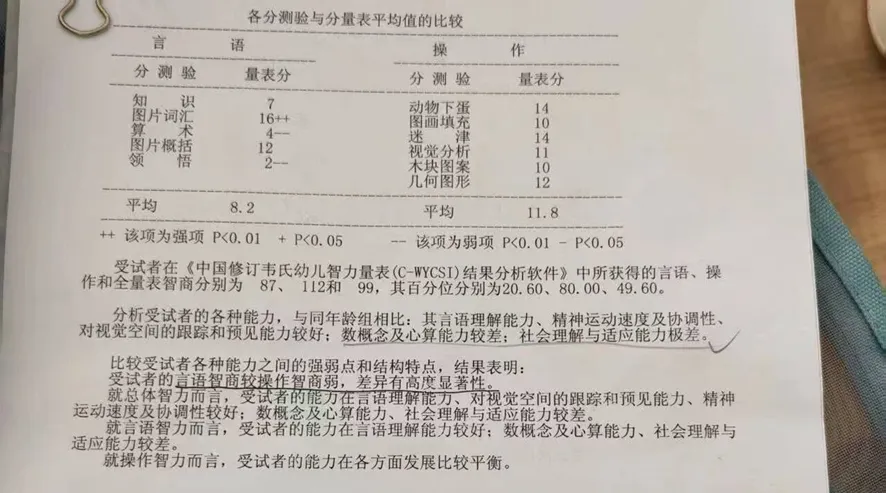
The gap of 16 points measured a child's growth trajectory, and recorded more than four hundred days and nights of a family's journey.

Today we're sharing this story about persistence and being seen. There was no miraculous turnaround — only day after day of companionship, observation, and belief. And time, in the end, gave its warm answer.
0
1
The Starting Point: The Child Who Needed a Hand to Walk Into the Classroom
Let's go back to the summer of 2024.
At age 3, Xiaoyu was a quiet presence in group settings.
"She couldn't sit still, barely spoke, and didn't fit in with the group."
That's how Xiaoyu's mom described her in an early update. At home she could manage simple exchanges, but her pronunciation wasn't clear, her expression was limited, and she was even more reluctant to speak in front of strangers.
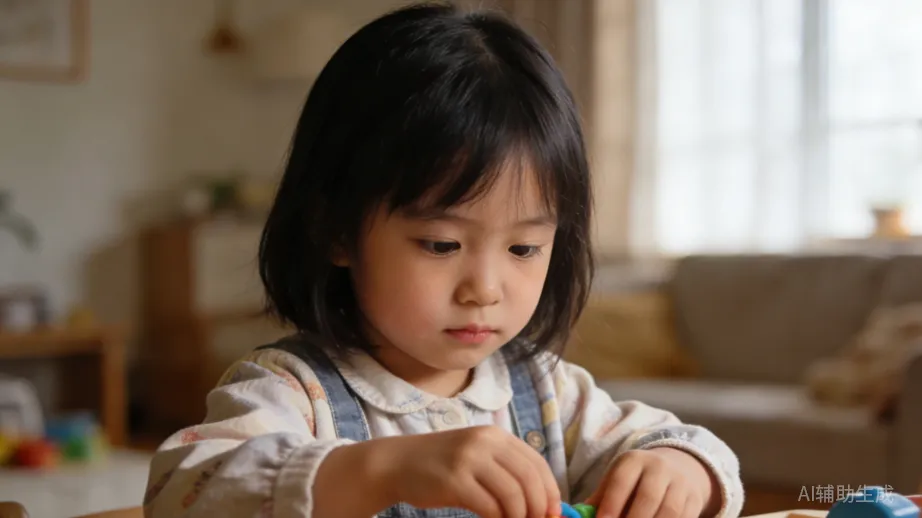
What worried the family most was a professional assessment report: an IQ score of 83, placing her in the borderline intellectual range.
That number was like a thorn, but also a starting point. From then on, this mother began a systematic plan of support: professional rehabilitation training, targeted lessons, and the doctor-recommended
Chienomoto No. 2
— one packet morning and evening — while also keeping a growth record of the child's changes; this became part of everyday life.

Letting go of the expectation of "quick change" and instead learning to treasure "small progress" turned out to be a wise decision.
0
2
The First Sign: A Change That Was Noticed
After ten days of persistence, changes began to show in small ways.

"
The tossing and turning at bedtime that used to take forever has changed — it's better than before she started taking it
." Xiaoyu's mom recorded the trajectory of this shift in detail: the child no longer needed to toss and turn, could fall asleep peacefully, and her sleeping position became stable — "when she wakes up in the morning, she's basically still in that same position."

Even more reassuring was that this sense of stability extended from nighttime into afternoon naps at daycare. A child who used to need a teacher to specially "watch over" or "stay with" her to nap could now proudly tell her mom:
"Even without Mom there, she just hugs her own blanket and falls asleep."
0
3
Six Months In: From Silence to a "Little Chatterbox"
In November 2024, after six months of taking it, Xiaoyu's world underwent a qualitative change.

"
In front of people she's familiar with, she can be a little chatterbox. Her expression has improved a lot, and she falls asleep quickly too
."
That's how Xiaoyu's mom wrote it in her notes. Fluent language expression brought clarity of thought. The child began being able to talk and play with other kids, and started forming simple friendships.
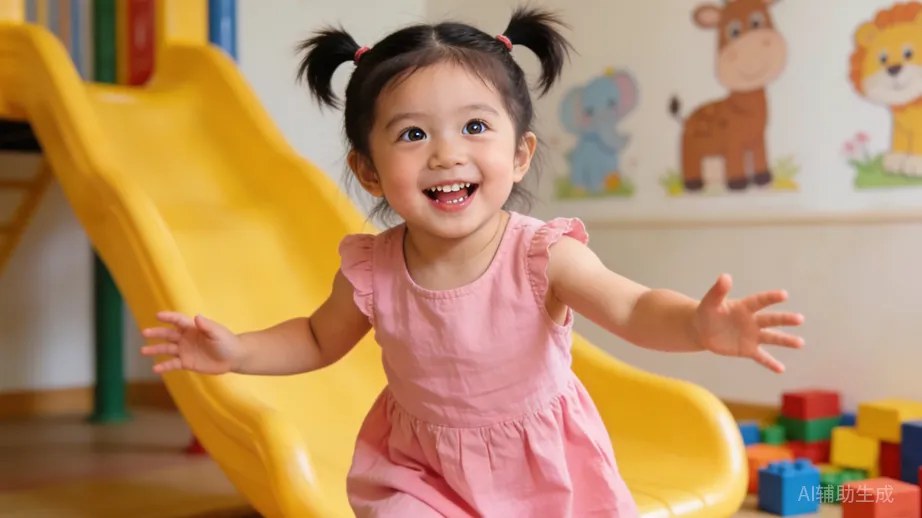
The child went from being unable to sit still to being able to "sit through an entire class," and her time engaged in class significantly increased. This behavioral progress is an important sign of improved attention and the emergence of rule awareness.
0
4
A Year Later: The Summer of the 99-Point Score
In June 2025, the turning point arrived. Xiaoyu took another IQ test, and when the report came back, her mom could barely believe her own eyes:
99 points
.
From
83
to
9
9
, this 16-point leap was not just a change in numbers, but evidence of the child's
overall cognitive ability improving
being demonstrated. The assessing doctor also noted that
the child's cooperation, comprehension, and reaction speed had all improved significantly
.

In that moment, the mother understood: all the persistence had been worth it.
0
5
Now: A Clear-Thinking Little "Strategist"
Xiaoyu is now 5 years and 4 months old, and the ongoing support plan has been in place for one year and eight months.

► Language and learning ability:
From
unclear pronunciation to being able to say almost anything
— although her words can still stumble when she's excited, her communication ability is completely different now. During the assessment she could only count to 15; now she can count backwards to 100, and her mathematical thinking has improved significantly.
► Social skills and expression:
From
"
not fitting in with the group" to "actively making friends and playing with them
"
— this is a huge leap. Though the child still has her own pace — "outside, she won't talk to people she isn't familiar with" — and will choose whether to respond "depending on her mood," her willingness to communicate has clearly increased in familiar settings and with people she trusts. Her parents have found that she can actually "say anything," she just chooses when to express herself.
► Skill development:
In focus and sensory integration classes, her mom proudly shared:
"
She's the best in the class, she can do everything, she manages it, and she's always the first to finish
."
This kind of outstanding performance in a structured environment corroborates the finding of a performance IQ advantage in the intellectual assessment.
► Emotion and personality:
In a recent update, her mom specifically mentioned:
"
Her emotions have clearly improved, and her attention is much better focused
."
The child has also begun to show her own distinct personality, with her own "little schemes" — if she's bullied she'll tell the teacher, she'll hide her older sister's snacks, and she'll even occasionally criticize her dad for "not helping mom out." Behind these seemingly mischievous behaviors lies the maturing of her logical thinking and social understanding.
Of course, there's still room to keep growing: text memory and initiative in expressing herself in unfamiliar settings could still be strengthened. But her parents have already learned to accept her pace, understand her moments of "not wanting to talk," and appreciate the moments she shines in the areas where she excels.
0
6
Nearly Two Years of Companionship, 25 Boxes of Trust
Looking back over this journey, what moves us most is this mother's persistence and steadiness. Over nearly two years, from
Chienomoto No. 2
to
No. 3
, she ordered
25 boxes of
Chienomoto
for her child. This persistence wasn't blind — it was based on
the incremental progress she witnessed with her own eyes every month.
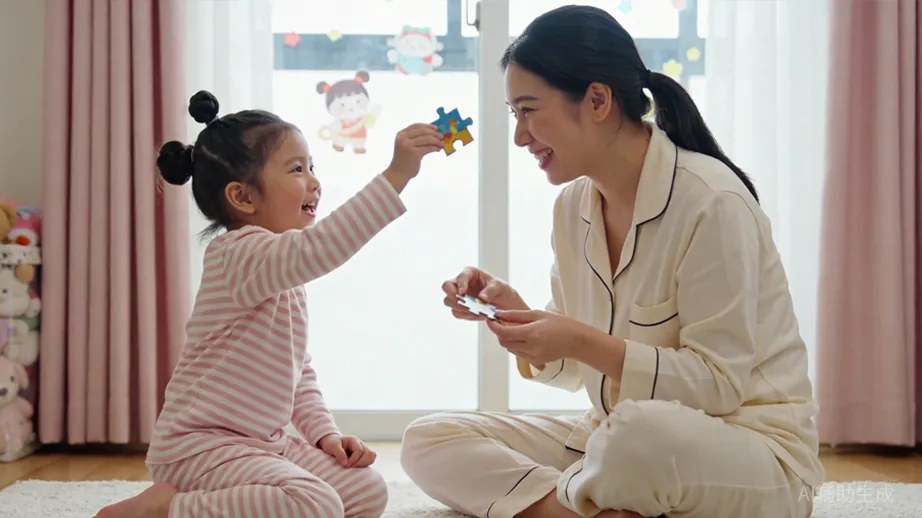
This trust wasn't blind following — it was built on dozens of instances of firsthand observation and handwritten records of incremental progress
.
When she saw assessment scores rise, language ability improve, and social interaction get better, the mother chose to continue; when progress seemed slow and challenges remained, she still chose to continue. This persistence, in the end, painted warm colors onto the canvas of her child's all-around growth.
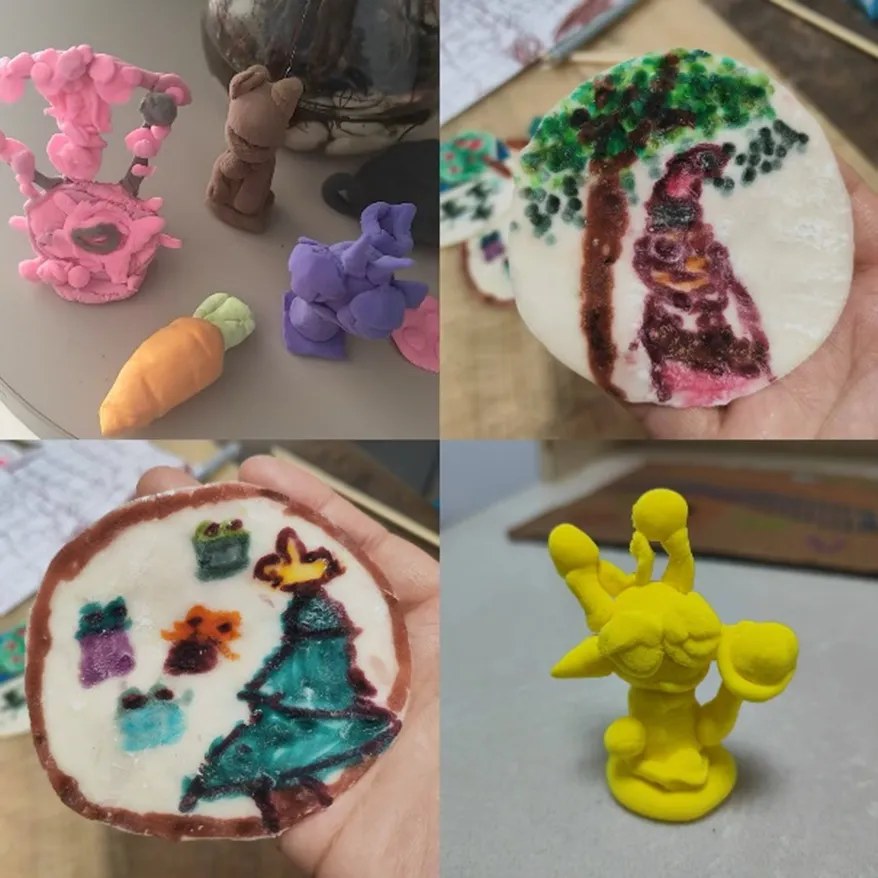
Xiaoyu's recent work —
0
7
In Closing: Progress Is Persistence Made Visible
Xiaoyu's growth journey is a multidimensional, gradual picture of progress: from the rise in her IQ score to the fluency of her language expression; from breakthroughs in social participation to the maturing of her logical thinking. These changes align with
Chienomoto's
mechanism of
improving cerebral blood flow, providing the brain with ample oxygen and nutrients, and thereby supporting overall optimization of brain function
.
More importantly, we saw the power of
combining family support with scientific assistance
at work. The parent's persistence, professional intervention, and ongoing supplementation together formed a stable triangle supporting the child's growth. Every child has their own pace of growth, and what they need is the right support and unwavering companionship. May this journey from 83 to 99 bring real encouragement and hope to more families still walking their own path.
Because we believe, we see. Because we persist, we arrive. Because we record, every step counts.