At age 9, Little W was diagnosed with ADHD. What troubled his mother was that he sometimes couldn't control his emotions, was impulsive, and got into conflicts with classmates at school. Now 11 and in sixth grade, he still does his homework slowly, his mother says, but there have been changes in his temper control and in his attitude toward getting things done.
Changes at a glance
| Time | Parent feedback |
|---|---|
| October 2024 | Age 9, ADHD, couldn't control his emotions, impulsive, easily got into conflicts with classmates; started Chienomoto No. 2. |
| November 2024 | No effect seen yet; still inattentive and hyperactive, with mood remaining the main concern. |
| December 2024 | Mood control a bit better, fewer conflicts at school; no obvious change in attention yet. |
| September 2025 | Mood fairly steady, but occasional conflicts remain; recently his teacher hasn't complained again about fidgeting in class. |
| March 2026 | Sleep has improved; mood has become steady; more focused, and learning efficiency has improved somewhat. |
| September 2026 | The school basically no longer calls his parents in; still slow at homework, but no longer loses his temper and is more willing to stick with it until it's done. |
The first things noticed were changes in mood and sleep
In October 2024, Little W began taking Chienomoto No. 2.
One month later, at the follow-up in November, his mother said she hadn't seen any change yet.
Two months later, in December, his mother wrote in her feedback:
"He has been taking it for two months. At first he easily got into conflicts with classmates at school; recently his mood control has been much better than before, and he sleeps very well at night."
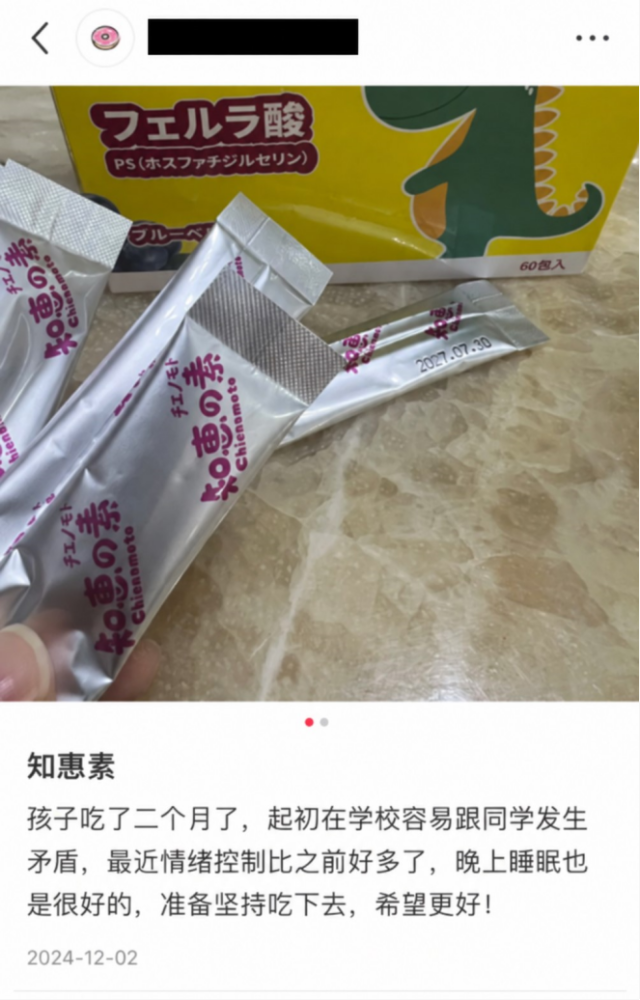
Homework is still slow, but he is willing to stick with it until it's finished
In March 2026, his mother wrote in a review: "He sleeps soundly at night, is more focused after using it, learning efficiency has improved somewhat, and his mood has become steady."
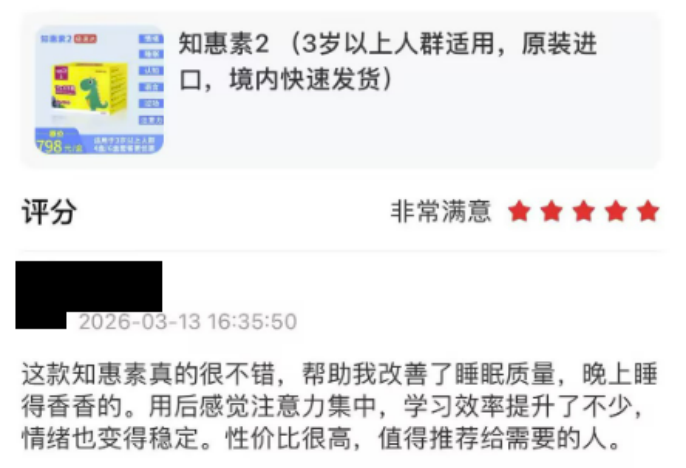
In this phone follow-up, his mother described more clearly how he behaves when doing homework.
After school, he does his homework at a study room. In the past, the moment he started writing he would easily lose his temper, and sometimes he would cut corners or not finish; now that sixth grade brings more homework, he is still slow but willing to keep going until it's done, and the study-room teacher has also reported that he is much better than before.
"Whether or not the homework is right, his attitude is much better," his mother said.
The school basically no longer calls his parents in
Talking about his behavior, his mother also gave a more specific comparison: in the past he was often impulsive and frequently got into conflicts with classmates, so his parents were often called in to the school; now there are far fewer conflicts with classmates, and the school basically no longer contacts his parents about this.

She also feels his focus is a little better than before. However, his mother candidly said that he has not been given a scale assessment again, so these changes come mainly from everyday observation and from his teachers' feedback.
Current use and concurrent situation
Little W has been taking Chienomoto No. 2 all along, 1 sachet each time, twice a day. His mother confirmed that he has never used medication; in fourth grade he took part in a half-year attention training course, which he did not continue afterward.
This article is compiled with the parent's authorization from follow-ups and reviews, and personal information has been handled for privacy.
Individual feedback does not represent universal results; growing up, training, and the school environment may also jointly influence changes.
Chienomoto cannot replace medication or professional diagnosis and treatment.