At the first follow-up, what worried the mother most wasn't only her child's schoolwork. He was afraid of getting answers wrong, his speech would stall, and he lost his temper easily; and at home, his father tends to speak in a hurry. At the follow-up 4 months later, she said: "The temper problem has really improved a lot." What's even more worth recording is that over these months, both Mom and Dad have also been learning together how to support this child.
Timeline of changes
| Time | What the parents observed |
|---|---|
| April 2026 | Just over 7, in first grade. Pauses and sometimes gets stuck when speaking; drifts off in class; knows few characters, is afraid of getting answers wrong, and easily gets upset when facing repeated exercises. His mother also worried that his father speaks too sharply and might frighten him. |
| May 2026 | Mood better than before, "his temper clearly doesn't flare up as easily"; but the pauses in speech and difficulty organizing language were still there. |
| July 2026 | Sleep, focus and end-of-term scores better than before. |
| August 2026 | Much less temper-prone; Chinese improved a little, math dropped somewhat; focus is still the main current difficulty, and speech still gets stuck. Both parents continue to seek professional support, and the way they raise him at home has also been adjusted. |
1. The original problem was more than "doing badly at school"
Little X had just started first grade. Chinese was relatively hard for him, mainly because he knew few characters and sometimes couldn't remember the ones he had learned. When doing homework he occasionally played with things, and when he met similar or repeated exercises he easily got irritable and didn't want to keep going.
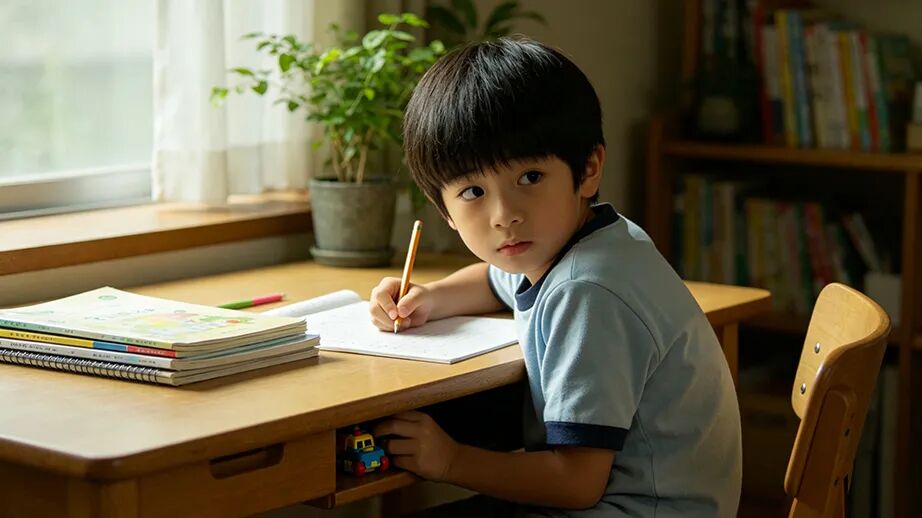
But the child was not someone who "can't do anything." His mother said he can recite a text after reading it two or three times, so his memory is quite good; and when there are no obvious outside distractions, he can complete his homework normally.
His mother also cared about his expression and emotions: he sometimes pauses and gets stuck when speaking, and may not explain things clearly; in learning situations he is afraid of getting answers wrong and sometimes doesn't dare to speak or answer. In daily life, though, he isn't timid at all.
2. The mother raised it herself: could we talk with Dad?
During the first phone follow-up, the mother also raised a family issue she cared about a great deal. Her husband had spent a long time in the army, and his way of speaking is fairly direct; sometimes his voice is loud, and when he gets impatient he scolds the child. The mother worried that a child who is already afraid of saying the wrong thing would become even more anxious with this way of communicating.
She didn't place the problem on the child alone, but took the initiative to ask: could we talk with Dad?
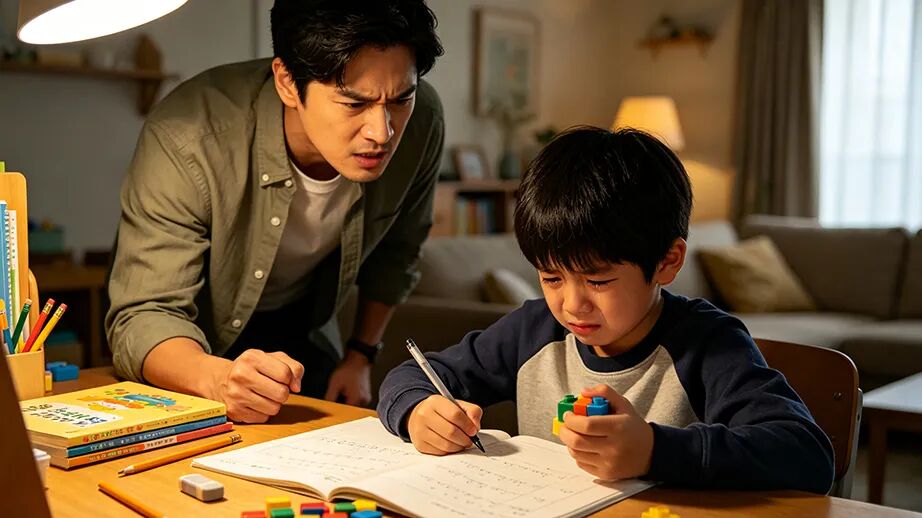
Later we phoned the father and discussed with him: when the child can't finish a sentence, let him take his time; if you roughly know what he wants to say, don't rush to finish it for him, but guide him bit by bit; after he has spoken, give him more affirmation; and when he comes to you for help, try to put down what you're doing and respond properly.

During this conversation, the father's attitude was very friendly and humble. He listened carefully and was willing to respond. In a later follow-up, the mother also mentioned that both parents had talked seriously with the doctor, that it had also had some effect, and that the way they raise him at home was being adjusted too.
3. After one month, Mom noticed: his temper doesn't rise as easily
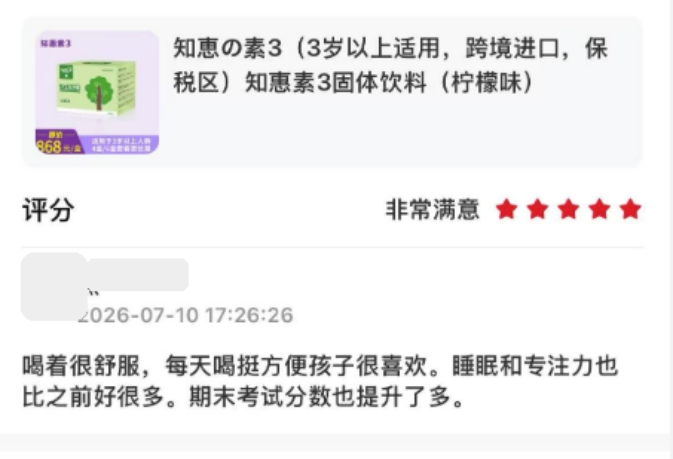
The parent's specific feedback: "After drinking it for a month, his temper clearly doesn't flare up as easily."

4. At the end of term, a "small step forward" in schoolwork, too
In July, the mother mentioned that the child's sleep, focus and end-of-term exam scores were better than before. For this family, the change in grades is worth recording too, because the child had found character recognition and Chinese hard from the start.
5. After 4 months, the steadiest change is still his mood
At the phone follow-up in August, the mother added more detail: his end-of-term Chinese score went up a little, but his math score dropped.
She also confirmed again: "The temper problem has really improved a lot."

The mother also told us frankly: his focus is still not ideal for now; the problems of speech getting stuck and not expressing himself clearly are still there, too.
6. What is truly worth learning from is that the whole family is learning together to support the child
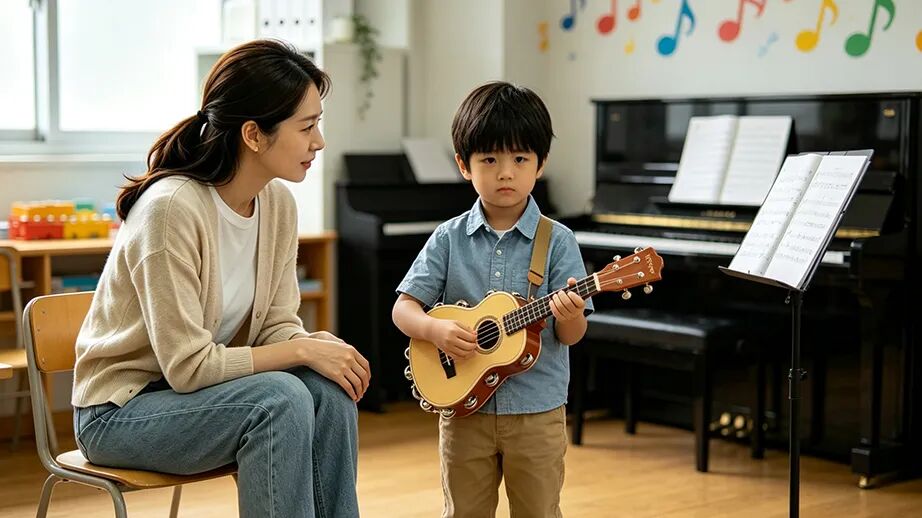
Over these months, the parents haven't pinned their hopes on any one method alone. The child has kept using Chienomoto while also receiving other professional support — for example, this summer holiday he has gone to the hospital for one music intervention session every day without fail; in addition, the product plan has been adjusted according to his stage.
At the same time, the mother has been observing the child and also observing the family; when she noticed that Dad's way of communicating might need adjusting, she took the initiative to look for outside support. Dad didn't resist, but was willing to listen and willing to learn. Later, the parents each also talked with the attending doctor about parenting methods, learning how to interact with the child in ways that help him more.

This is also what is most worth recording about this case: they don't just ask "why isn't he better yet?" — they keep asking "what else can we do for our child?"
For a child who is still growing, adults around him who are willing to learn together and adjust together are themselves an important kind of support.
Note
This article is compiled from the genuine feedback of a single family and serves only as a record of growth; it is not medical advice.
A child's changes are shaped by many factors together — growing older, the way the family raises him, professional intervention, schoolwork and nutritional support — and should not be attributed to any single product or intervention.