Quick overview
Child's age
Just over 3 years old
Initial presentation
Living more in his own world, not paying enough attention to his surroundings, language fairly repetitive and rigid
Earlier situation
Had already done over a year of institution-based intervention; started on No. 1 before turning 3,
about a month
in, the effect wasn't obvious
Adjustment process
After turning 3, switched to No. 2; when first taking it as directed he became somewhat overexcited; after communicating with us, adjusted to once a day, later settling into one packet each evening
Clear changes
After about
2 months
, clear progress in eye contact; a stronger sense of interaction;
after 3 months
, richer language expression, started expanding his own sentences
Current situation
Now entering
the 4th month
, sleep is fairly stable overall; language has progressed a great deal; when tense or excited he can still fall apart and cry easily — still needs to be watched
0
1
At the start, the child seemed more like he was "living in his own world"
Many parents first sense that their child is "a bit different" not because of some test result, but from that feeling in everyday life —
the child seems to live more in his own world, pays relatively little attention to his surroundings, and something always feels a bit off in how he interacts, looks at people, and speaks. That was the case for Ms. V's son.
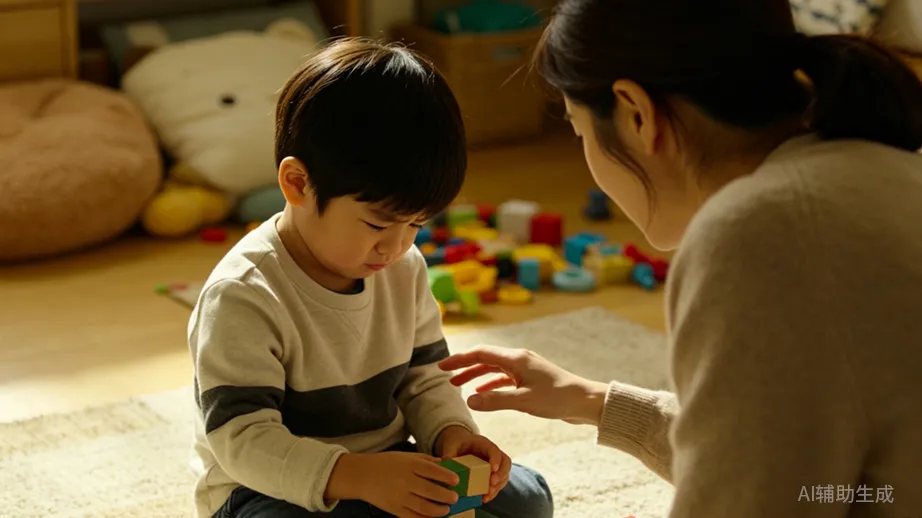
Ms. V recalls that he wasn't completely unable to understand, nor completely unresponsive, but overall it felt like he was more immersed in his own world, without much connection to the outside.
Before this, the parents had already taken him for
over a year of institution-based intervention
.

Ms. V felt the child's issue wasn't entirely about cognitive understanding, but showed up more in:
✦ Not paying enough attention to his surroundings
✦ A weaker sense of interaction with people,
✦ Language expression that was fairly repetitive and rigid.
0
2
The adjustments that came with taking Chienomoto
This family's experience is actually quite representative.
Because the child's changes didn't go especially smoothly from the very start — it was a process of
observing and adjusting along the way
.
When the child was
almost 3
, Ms. V started giving him
Chienomoto No. 1
. After finishing
one box of No. 1 over a month
,
the effect wasn't obvious
.
By this time the child
had also turned 3
, so
she switched him to
Chienomoto No. 2
, taking 1 sachet twice a day as directed.
When he first started taking it, Mom observed that during the day he was somewhat
overexcited
, not quite his usual self.
Ms. V immediately contacted customer service with this feedback, and adjusted the dosage to once a day. Combined with the child's morning routine of taking D3, DHA, and other supplements, this gradually settled into the current rhythm of one packet in the evening.
After finishing one box of No. 2 (with total
Chienomoto
use reaching
3 months
), Mom was delighted to discover that her son had actually started saying some words she never expected.

0
3
In fact, what Mom noticed first was that "his eyes had changed"
Ms. V said that roughly after taking
Chienomoto
for two months
, the changes in her son's
eye contact
were already very clear.
She said her son's
eye contact with people improved a great deal
.
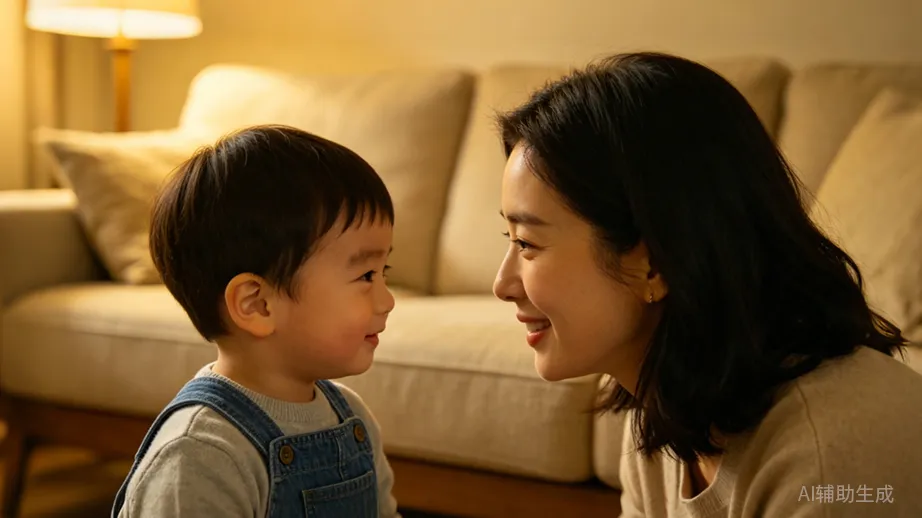
In the process of child development, this kind of change is actually very important.
Eye contact isn't simply about "does he look at people or not" — behind it, it means:
✦
The child's attention to the outside world is increasing
✦ His sense of connection with people is growing stronger
✦ The door to interaction is slowly starting to open.
0
4
Later, it wasn't just that he could speak — he started actively expanding what he said
Ms. V also specifically mentioned that the change in her son's
language expression
left a deep impression on her.
Before, the way he spoke was fairly
repetitive and rigid
.
Later, gradually, he started
adding his own content into sentences
,
not simply repeating, but coming out with things she never expected.
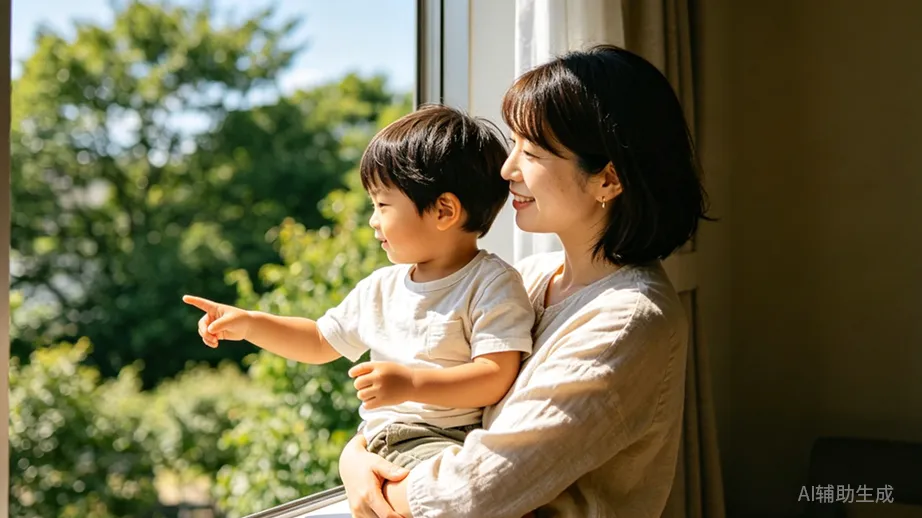
For example, one time he said:
"
Mom, hold me up so I can look at the view outside the window."
Another time, he was bitten by a mosquito, and when Mom put on medicine and asked if it still itched, he answered:
"
Still itchy — once the medicine kicks in it won't itch anymore."
Expressions like this go beyond simply saying one complete sentence — the child had started to naturally connect his feelings, understanding, and expression together.
Mom added that if asked to give many examples all at once, she couldn't recall them all right away, but when interacting with her son at home, that
progress in language is something she can clearly feel.
0
5
Now, sleep is stable, but emotions still need work
The child's sleep is now fairly stable overall. Emotionally, there's still room for further adjustment.
Ms. V said that when her son is
tense or excited, he can still fall apart easily, lose his temper, and cry
.
Ms. V put it plainly: the child didn't get better at everything all at once — some things improved first, some are gradually stabilizing, and some still need continued improvement. She didn't exaggerate her son's changes, and she didn't dismiss the progress that had already happened just because he still has emotional ups and downs.

0
6
Closing thoughts
Real growth works exactly like this. Some children don't show change right away; others need time, through observation, to gradually settle into a pace that suits them. Not seeing change at first, or having some ups and downs early on, doesn't necessarily mean there's no chance later. What matters is that parents stay willing and patient enough to keep observing, communicate in a timely way, and make suitable adjustments based on how the child is actually doing — without rushing to conclusions, and without giving up easily.