"Mama—"
The first time Tongtong clearly called out this word, her mother solemnly drew a star in that day's notebook.

This was the 200th day of the "growth journal" she was keeping for her daughter. Since early April 2025, this mother had not only given her child Chienomoto on schedule every day, but had also persistently done one more thing:
recorded her child's subtle day-to-day changes with an almost research-level attention to detail
.
Today, we want to share this special "journal," and the most devoted observer behind it.
The Starting Point: When the Recording Began
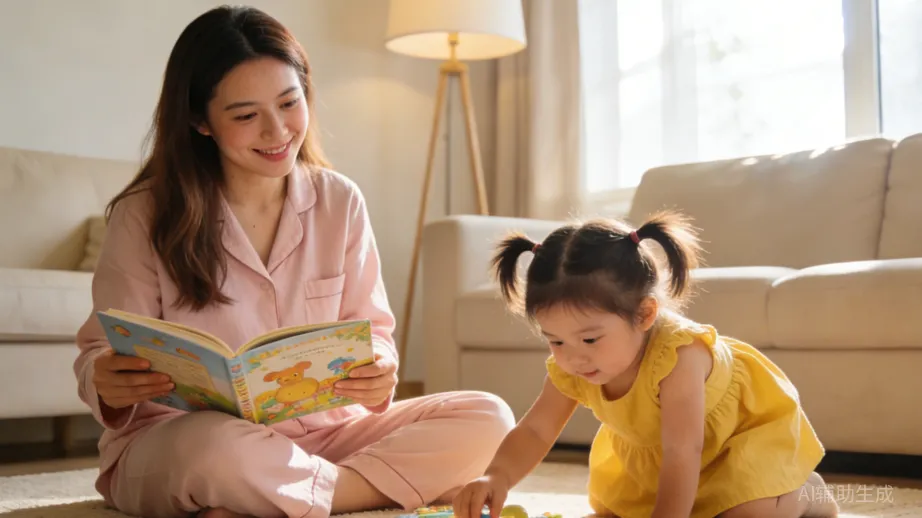
On the first page of the growth journal, Tongtong — then just 2 years and 7 months old — was facing the challenges common to developmentally delayed children:
delayed language, unstable sleep, and emotional sensitivity.
Unlike other parents, at the same time as she decided to give her child the doctor-recommended
Chienomoto
No. 1 (one packet a day), Tongtong's mom also launched her own observation plan. What she built wasn't scattered fragments of memory, but a
growth log with a timeline, concrete metrics, and before-and-after comparisons.
The First Breakthrough: Precisely Captured
On May 23, 2025, after nearly two months of taking Chienomoto No. 1, the journal recorded an exciting entry. Tongtong's mom happily shared it with our customer service assistant, Xiaozhi:
"Today with the beads, Tongtong strung 22 of them — before, she could only manage 4 to 5 at most."
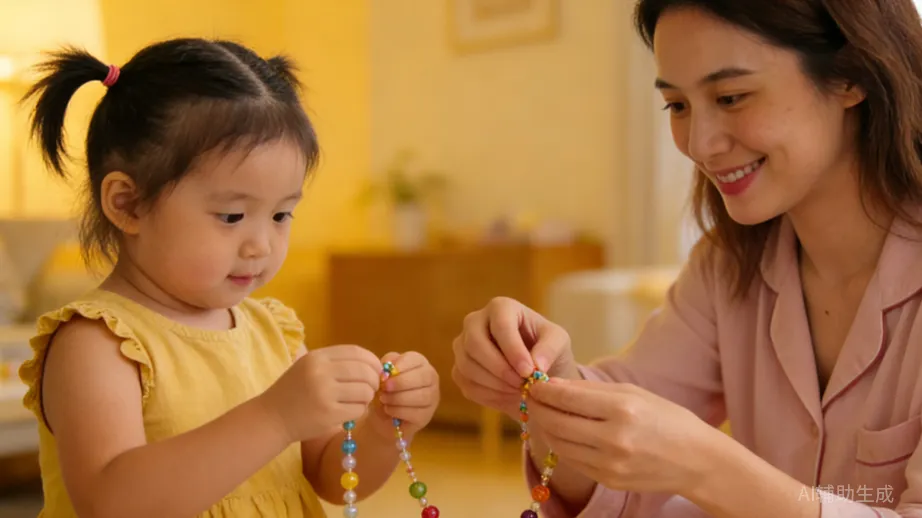
This mother didn't use vague words like "much better" — instead, she gave a
measurable, comparable piece of concrete data
. It was proof of the child's progress in fine motor skills, and the best reward for her mother's careful observation.

Monthly Updates: The Unique Value of This "Journal"
Tongtong's mom's persistence also showed in her
never-missed, once-a-month updates
. These notes went beyond ordinary product feedback and became a precious developmental observation report:
Month 3
: "Can pick up beads with chopsticks now, can do puzzles independently, talking more too, though still in baby talk..."
Month 4
: "You can see the child improving day by day with your own eyes; she'll be nearly 3 soon and can switch to No. 2"
Month 5
: "The child has started taking No. 2, her memory is better, she can still remember things she learned a while back, flips through books on her own, draws on her own..."
Month 6
: "Calls 'Mama' accurately, and now actively calls
'
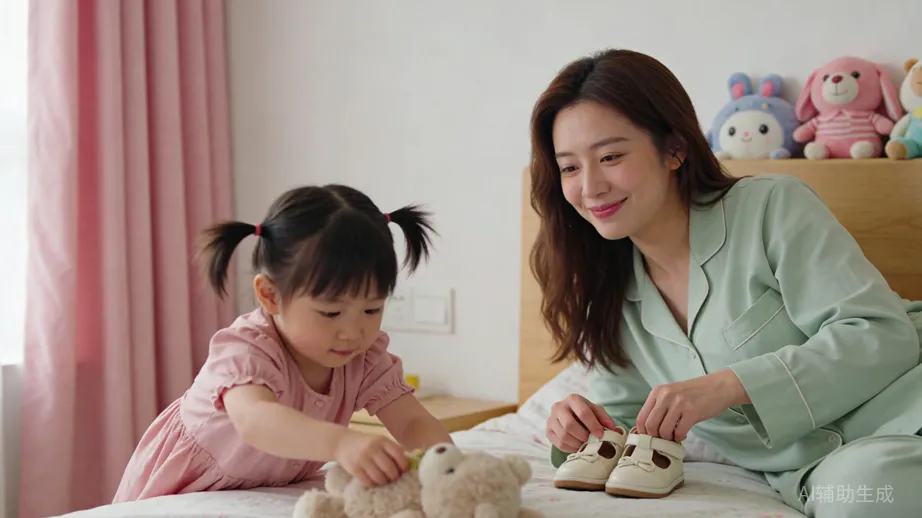
Papa' too, can put on her own shoes, socks, and pants."
Month 7
: "When we went out this morning, she said 'bye-bye' to me. That's the first time she's used social language on her own. She can sleep straight through the night now, and picks things up quickly..."

Every single detail is this specific
— every bit of the child's effort was seen, recorded, and treasured.
Scientific Support Becomes More Valuable Through Careful Observation
During the more than seven months Tongtong spent taking
Chienomoto
, her progress across fine motor skills, language expression, sleep quality, and social interaction reflected
an overall improvement in brain function after receiving ample oxygen and nutritional support.
☀
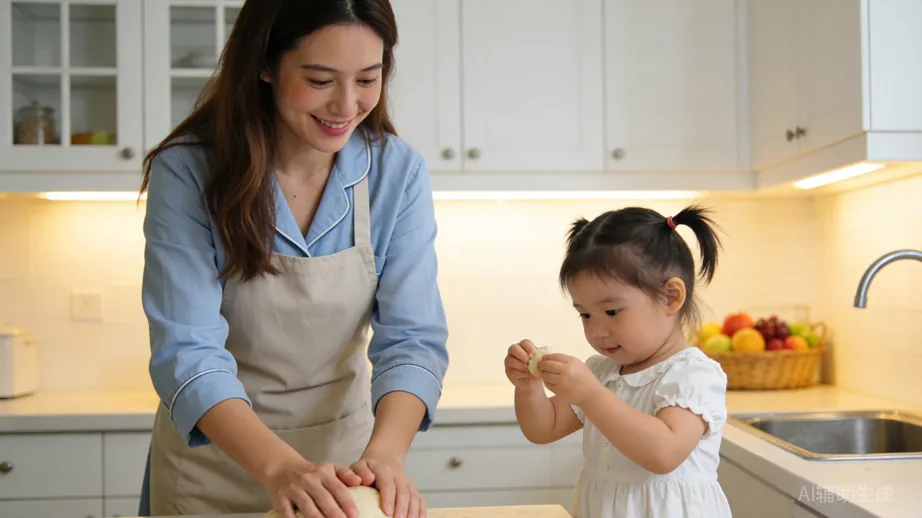
Fine motor skills
:
from "basic attempts" to "confident, flexible control"
☀
Language ability
:
from "simple sounds" to "active expression"
☀
Sleep quality
:
from "restless" to "sleeping straight through the night"
☀
Emotion and focus
:
from "needing constant company" to "independent exploration"
☀
Cognition and memory
:
from "momentary recall" to "long-term retention"
☀
Self-care and social interaction
:
from "passively receiving" to "actively participating"
Even so, good support still needs to go hand in hand with careful observation. It was this mother's day-after-day detailed records that let us clearly see how this support actually took hold, and made every bit of the child's progress feel so real and solid.
Thank you to Tongtong's mom for being willing to share this "growth journal" filled with love and persistence. It doesn't just record one child's progress — it lights the way for many other families searching for direction too.
Why Does This "Journal" Matter So Much?
In the process of accompanying a developmentally delayed child's growth,
change often happens in the small details, and progress is often hidden in everyday life.
What this mother did was use her records to make these subtle changes clearly visible:
✔ Fighting forgetting
:
locking in small bits of progress to become the bedrock of confidence
✔ Discovering patterns
:
seeing the child's true growth rhythm through continuous recording
✔ Making precise adjustments
:
providing concrete evidence for follow-up intervention and support
The road to recovery from developmental delay takes patience, and patience's best companion is the ability to see progress.
When you start recording, you'll discover: change has been happening all along — it just needs eyes that can find it.