Illustration 1: Ms. L's genuine post on Xiaohongshu

"Teacher, I got 97! Thank you, I've improved." That was an eight-year-old girl's first sentence after a test.
That day, she held up her test paper, covered in red checkmarks, grinning from ear to ear.
Illustration 2: Communication between parent and teacher, and between the child and teacher
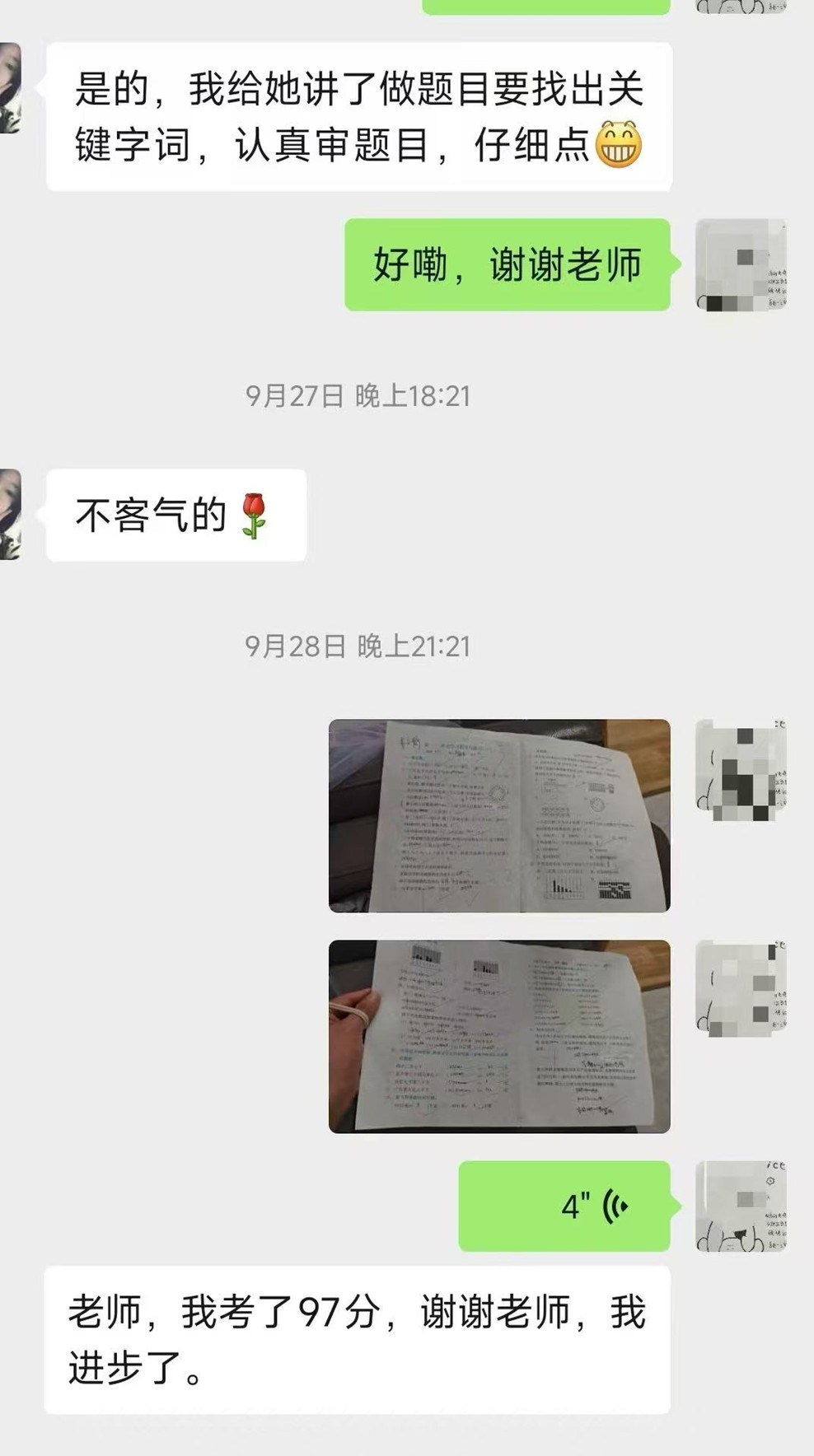
Looking at that test paper, Ms. L's eyes welled up a little. She remembered that just a few months earlier, this child had often been scolded by teachers for being careless, distracted, and prone to zoning out.

This past April, Ms. L took her daughter to Shanghai Children's Medical Center for an evaluation. That day they ran a full battery of tests — attention, allergens, reading comprehension. When the report came back, Mom felt both heavy-hearted and relieved at once — her daughter's attention really was much worse than average. It turned out that all those little fidgets and chatting with classmates in class truly weren't the child being deliberately naughty.

Professor Zhang told her that her daughter had a typical inattentive-type presentation and needed long-term intervention and management. That same evaluation also found allergies to milk, eggs, and wheat. So the doctor put together a systematic intervention plan for her, recommending she try
Chienomoto
, along with Jingling oral liquid, and cutting out the foods she was allergic to.
0
2
Seven months of gradual improvement
At first, her daughter took No. 2. After a month, Ms. L reported to customer service that there wasn't much change.
Customer service told Ms. L not to rush — every child has their own pace.
Based on her daughter's situation, customer service suggested adding No. 3, trying a combination of No. 3 in the morning and No. 2 at night — using No. 3 during the day to boost attention and memory, and No. 2 at night to improve sleep and mood.
To be safe, Mom also checked with the doctor, and once she had the doctor's approval, she decisively added No. 3 to her order.
She kept this up all the way to October, and when they went back for a follow-up check, the results were encouraging. Both the attention test and the reading test had returned to normal.

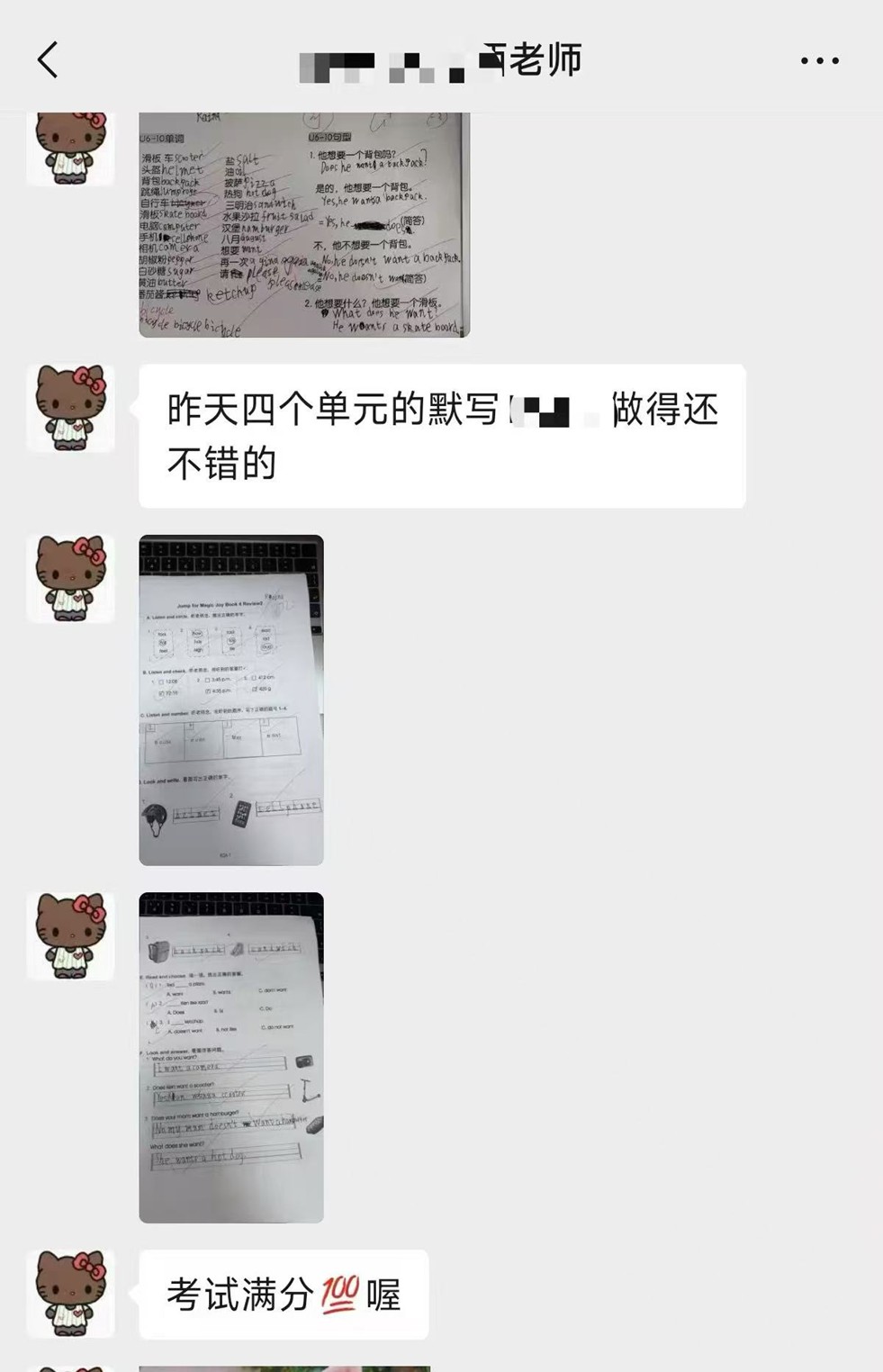
During this time, the teachers also noticed the change, saying she was doing much better than before. For example, her English teacher reported: "She got every word right on yesterday's four-unit dictation, and scored 100 on the test!"
Illustration 3: A bright red 100

Watching her daughter's progress, Ms. L said with satisfaction: "Honestly, she still fidgets sometimes and has her little quirks, but it's so much better than before."
0
3
Persistence is the gentlest kind of companionship
Illustration 4: Mom's heartfelt sharing
"For a child whose attention isn't great, parents need to keep a level head.
Take the medicine the doctor prescribes on schedule, and stick with nutritional support like Chienomoto too.
But even more important is your mindset — encourage more, be present more, get outdoors and play more."
0
4
Afterword
Looking back on this journey, what Mom is proudest of isn't any single score, but the shift from anxiety to quiet confidence.

She says, "Improving attention isn't a task for the child alone — it's something we work through together."
Because every small step of progress is an echo of effort and love.